What Are Dental Implants?
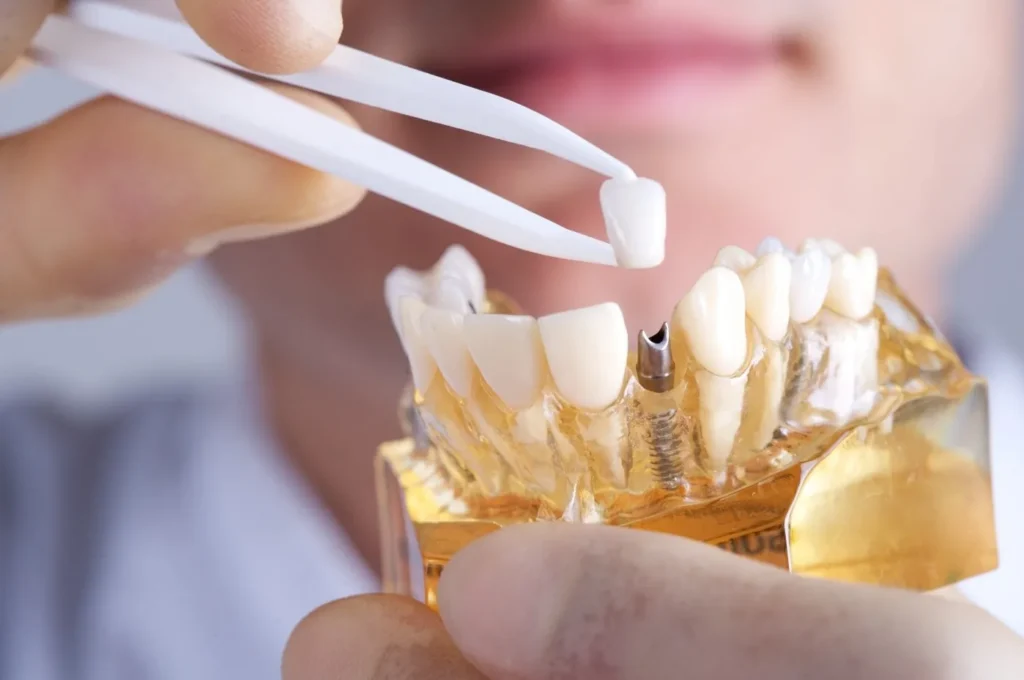
A dental implant is a small post placed in the jawbone to replace the root of a missing tooth. Once the implant has integrated with the bone, it can support a restoration such as a crown, bridge, or denture.
Dental implants are different from traditional tooth replacement options because they are supported by the jawbone rather than resting on the gums or relying only on nearby teeth. This can make them a strong option for patients who want a replacement that feels stable during chewing and speaking.
Implants may be used to replace one missing tooth, several missing teeth, or a full arch of teeth. The right approach depends on your bone health, gum health, bite, number of missing teeth, medical history, and long-term goals.
Why Replacing Missing Teeth Matters
A missing tooth can create changes that become more noticeable over time. The open space may affect your bite, chewing patterns, and the position of nearby teeth.
Nearby teeth can shift
When a tooth is missing, the teeth on either side may begin to move toward the open space. This can affect alignment and make future treatment more complicated.
Chewing can become uneven
Many patients start chewing more on one side after losing a tooth. Over time, this can place additional pressure on other teeth and restorations.
Jawbone support can change
The jawbone relies on stimulation from tooth roots. After a tooth is lost, the bone in that area may begin to shrink over time. Dental implants can help support the bone by replacing the missing root structure.
Speech and smile appearance can be affected
Depending on the location of the missing tooth, a gap may affect pronunciation, facial support, and confidence when smiling.
Oral hygiene can become more difficult
Spaces left by missing teeth may trap food and plaque. Shifting teeth can also create areas that are harder to clean.
A First Visit Focused on Your Options
Your dental implant consultation begins with a full evaluation of your oral health. Our team will review your dental history, discuss your goals, and examine your teeth, gums, bite, and missing tooth area.
Digital imaging may be recommended to evaluate bone support, tooth position, sinus location, nerve pathways, and the health of surrounding structures. This helps us determine if dental implants are a good fit and whether any additional treatment may be needed before implant placement.
After the exam, we explain your options clearly. You will know whether an implant is recommended, what steps may be involved, what timeline may be realistic, and what other replacement options may be available.
Who Is a Candidate for Dental Implants?
Dental implants can be an option for many patients with missing teeth, but candidacy depends on several factors. A good candidate typically has enough healthy bone to support the implant, stable gum health, and the ability to heal properly after treatment.
You may be a candidate for dental implants if you are missing one or more teeth, have a tooth that needs to be removed, want a fixed alternative to a removable appliance, or are looking for a more stable way to support a denture.
Some patients need additional care before implant treatment can begin. Gum disease, bone loss, infection, uncontrolled grinding, smoking, or certain medical conditions may affect timing or treatment planning. If these concerns are present, we will explain what should be addressed first.
Types of Dental Implant Restorations
Dental implants can be used in different ways depending on how many teeth are missing and what kind of restoration is needed.
Single tooth dental implant
A single dental implant can replace one missing tooth without using the neighboring teeth for support. Once restored with a crown, the implant fills the gap and helps restore chewing function and smile appearance.
This option may be recommended when the surrounding teeth are healthy and do not need crowns.
Implant-supported bridge
An implant-supported bridge can replace multiple missing teeth in a row. Instead of placing one implant for every missing tooth, implants may be used to support a connected bridge.
This can be a stable option for patients missing several teeth in one area.
Implant-supported dentures
Implant-supported dentures can offer more stability than traditional removable dentures. The implants help anchor the denture, which may improve comfort, chewing ability, and confidence during daily activities.
This option may be considered for patients missing many or all teeth in an arch.
Implant restoration after extraction
If a tooth needs to be removed, we can discuss whether a dental implant may be part of the replacement plan. Timing depends on infection, bone support, gum health, healing, and the condition of the extraction site.
What Happens During Dental Implant Treatment?
Dental implant treatment is usually completed in stages. The exact process depends on your oral health, the number of teeth being replaced, and whether additional procedures are needed.
The first step is planning. We evaluate the missing tooth area, review imaging, and determine the right position for the implant. If the area is healthy and has enough bone support, implant placement may be scheduled.
During implant placement, the implant post is placed into the jawbone. The area is numbed before treatment so the appointment can be completed as comfortably as possible. After placement, the implant needs time to integrate with the bone. This healing phase is important because it helps create the foundation for the final restoration.
Once the implant is ready, an abutment and final restoration can be attached. The restoration may be a crown, bridge, or denture depending on your treatment plan.
Dental Implants After Tooth Extraction
Some patients begin thinking about implants when a tooth can no longer be saved. If extraction is needed, we can discuss whether a dental implant may be used to replace the tooth.
In some cases, implant placement may be possible soon after extraction. In other cases, the site needs time to heal first. Infection, bone loss, gum condition, tooth location, and bite pressure all affect timing.
If additional bone support is needed, bone grafting may be discussed before implant placement. Our team will explain what needs to happen first and why each step matters for the final result.
Dental Implants vs. Dental Bridges
Dental implants and dental bridges can both replace missing teeth, but they work differently. A dental implant replaces the missing tooth root and supports a restoration from the jawbone. A traditional bridge uses neighboring teeth as support.
A dental implant may be preferred when the nearby teeth are healthy and you want to avoid reshaping them for crowns. A bridge may be a better option when the surrounding teeth already need crowns or when implant treatment is not the right fit.
There is no single answer that works for every patient. At Dental Design Studio, we explain the benefits, limitations, timeline, maintenance needs, and cost considerations of each option so you can choose a plan that fits your health and goals.
Advanced Maintenance for Dental Implants
Dental implants need regular maintenance. While implants cannot get cavities, the gums and bone around them still need to stay healthy. Inflammation around an implant can lead to bone loss and implant complications if it is not addressed.
Dental Design Studio offers implant-focused maintenance options for patients who already have dental implants or are planning implant treatment. Our Tooth Titan membership tier is designed for patients with implant-related needs and may include advanced support such as laser bacterial reduction when appropriate.
Routine implant checks allow us to monitor the gums, bite, restoration, and surrounding bone. This helps protect your investment and reduces the risk of avoidable problems.
Gum Health and Dental Implants
Healthy gums are important before and after dental implant treatment. If gum disease is active, it may need to be treated before an implant is placed. Gum inflammation can affect healing, bone support, and the long-term health of the implant.
Patients with a history of periodontal disease may still be candidates for dental implants, but they often need a more focused maintenance plan. This may include more frequent cleanings, deeper monitoring, and additional preventive support.
At Dental Design Studio, we look closely at gum health before recommending implant treatment. A strong foundation gives the implant a better chance of long-term success.
Dental Implants and Dental Anxiety
For many patients, dental implant treatment feels like a big decision. You may have questions about the procedure, healing, cost, timeline, or whether implants are really the right choice.
At Dental Design Studio, we take time to explain the process before treatment begins. You do not have to commit to implant treatment before understanding what is involved. We can start with an evaluation, review your options, and help you decide what makes sense.
If dental anxiety has kept you from replacing missing teeth, let our team know. We can discuss your concerns, explain each step, and help you move forward in a way that feels more manageable.
Membership Options for Implant Patients
Dental implant treatment and maintenance require planning. Dental Design Studio offers membership options for patients who want a clearer way to manage dental care without relying on traditional insurance.
Our membership plans include options for routine care, gum disease maintenance, and implant-focused needs. The Tooth Titan tier was created for patients with dental implants and may include maintenance designed to support the long-term health of implant restorations.
For patients considering implants, membership options may also help make preventive care and emergency exams easier to plan.
Dental Implants Near Dana Park and Downtown Gilbert
Dental Design Studio is located at:
2323 E Guadalupe Rd STE 101
Gilbert, AZ 85234
Phone: 480-621-5535
Our office is near Dana Park Village Square, Gilbert Road, Freestone District Park, Southeast Regional Library, Gilbert High School, and Gilbert Town Hall & Municipal Center.
We welcome patients from Val Vista Lakes, The Islands, Dana Park, Stonecreek, Freestone Station, Morrison Ranch, Downtown Gilbert, and nearby East Valley communities.
Schedule a Dental Implant Consultation in Gilbert, AZ
If you are missing one or more teeth, have a tooth that may need to be removed, or want to learn whether dental implants are right for you, Dental Design Studio can help you understand your options.
Call 480-621-5535 to schedule a dental implant consultation in Gilbert, AZ.
Frequently Asked Questions About Dental Implants
What is a dental implant?
A dental implant is a small post placed in the jawbone to replace the root of a missing tooth. It can support a crown, bridge, or denture depending on how many teeth are being replaced.
How do I know if I am a candidate for dental implants?
You may be a candidate if you have enough healthy bone, stable gums, and overall health that supports healing. An implant consultation and imaging can help determine whether implants are right for you.
Are dental implants better than bridges?
It depends on the patient. Dental implants may be preferred when nearby teeth are healthy, while bridges may be a better fit in other situations. We will explain both options after evaluating your teeth, gums, bite, and bone support.
How long does dental implant treatment take?
The timeline varies based on healing, bone support, gum health, and the number of teeth being replaced. Some cases are more straightforward, while others require extraction, grafting, or additional planning before the final restoration.
Do dental implants need special maintenance?
Yes. Dental implants need routine exams, professional cleanings, and careful home care. The implant cannot get a cavity, but the gums and bone around it need to stay healthy.