
How Do Clear Braces Work?
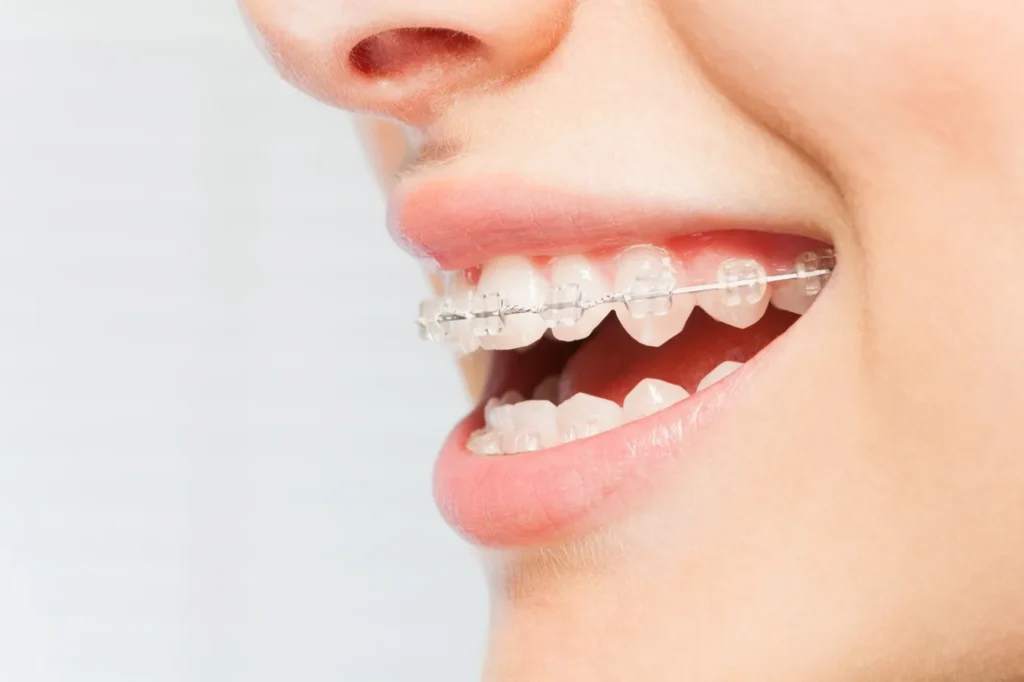
Clear braces use tooth-colored or translucent brackets bonded to the teeth. A wire connects the brackets and applies controlled forces that guide the teeth according to the treatment plan. The brackets are often made from ceramic or another esthetic material, which is why you may also hear them called ceramic braces.
They are less noticeable than traditional metal brackets, but they are not invisible. The wire, brackets, and small components around them can still be seen at conversational distance, especially up close.
What Can Clear Braces Correct?
Fixed braces can be used for many common alignment and bite concerns, including crowded teeth, spaces, rotations, and certain overbite, underbite, or crossbite problems. The type and complexity of the movement determine whether clear braces are appropriate.
Some patients are mainly interested in improving the appearance of the front teeth, while others need correction of the way the upper and lower teeth fit together. An orthodontic evaluation looks at both, because a straight-looking smile can still have a bite that needs attention.
Clear Braces or SimplyClear Aligners?
Both options can straighten teeth, but the day-to-day experience is different. Clear braces stay on the teeth, so treatment does not depend on remembering to put an appliance back in after meals. SimplyClear aligners are removable and can be taken out to eat, brush, and floss.
The better choice depends on the type of tooth movement needed, your bite, your lifestyle, and which approach you are most likely to manage successfully. One is not automatically faster or better than the other. If both are reasonable choices, we can compare the practical differences before you decide.
What Happens Before Braces Are Placed?
Treatment begins with an evaluation of your teeth, gums, and bite. Dental X-rays, photographs, and digital scans may be used to understand how the teeth are positioned and plan their movement. TRIOS 3D intraoral scanners are available at all nine Dental Design Studios locations and can create detailed digital models when appropriate.
Active cavities or gum problems should be treated before braces are placed. Starting with a healthy mouth makes it easier to clean around the brackets and lowers the chance that preventable dental problems interfere with orthodontic treatment.
Living With Clear Braces
Your teeth may feel sore for a short time after the braces are first placed or adjusted. The lips and cheeks can also need time to get used to the brackets. If a wire or bracket is sharp, loose, or causing persistent irritation, contact the office rather than trying to tolerate it.
Cleaning takes more time because plaque and food can collect around brackets and wires. Brush carefully along the gumline and around each bracket, clean between the teeth daily, and keep regular dental cleanings. Hard or sticky foods may need to be avoided or modified so they do not loosen the braces.
How Long Does Treatment Take?
There is no useful one-size-fits-all treatment time. A small alignment correction is different from significant crowding or a complicated bite. The number of teeth that need to move, the distance and direction of movement, missed appointments, broken brackets, and your individual response all affect the timeline.
Your dentist can give you a more meaningful estimate after the records are reviewed and the treatment plan is created. Follow-up appointments are important because they allow progress to be monitored and adjustments to be made as the teeth move.
What Happens After the Braces Come Off?
Removing the brackets finishes the active movement phase, but the teeth still need help staying in their new positions. A retainer is used to reduce unwanted shifting while the tissues around the teeth adapt to the new alignment.
Dental Design Studios provides retainers as part of its oral-appliance services. Your wear schedule will depend on your treatment plan, and following it is one of the most important things you can do to protect the result. Teeth can shift gradually even when they looked perfectly aligned on the day the braces were removed.
Frequently Asked Questions
Are clear braces really clear?
The brackets may be clear, translucent, or tooth-colored depending on the system. They are less noticeable than metal braces but are still visible.
Do clear braces work faster than aligners?
Not necessarily. Treatment time depends on the tooth movements required, the bite, and how treatment progresses rather than the appliance name alone.
Can clear braces stain?
The ceramic bracket may resist staining differently from the elastic ties or other components around it. Good oral hygiene and care with strongly pigmented foods and drinks can help keep the braces looking cleaner.
Will I need a retainer?
Yes. Retention is an important part of maintaining the new tooth positions after braces are removed.
Explore Clear Braces Near You
Dental Design Studios provides care at nine locations across the Greater Phoenix area: Apple Tree Dental Studio in Avondale, Arizona Family Dental in Chandler, 75th Ave Dental Studio in Glendale, Happy Valley Dental Studio in Phoenix, Hatcher Dental Studio in Phoenix, Smile Dental Studio in Phoenix, Thunderbird Dental Studio in Peoria, Dental Design Studio of Gilbert in Gilbert, and Scottsdale Dental Studio in Scottsdale.
If you want straighter teeth without highly visible metal brackets, ask whether clear braces fit your bite and treatment needs. We can compare them with SimplyClear aligners and explain what daily care would look like with each option.