
How Do Dental Sealants Protect Teeth?
A sealant flows into the narrow grooves on the chewing surface of a tooth and hardens into a protective layer. The coating does not make the tooth cavity-proof, but it creates a smoother surface that is easier to keep clean and reduces direct exposure of those grooves to plaque and food.
Sealants are preventive. They are most useful before a deep groove has developed a cavity that needs a filling. Your dentist will examine the tooth first to make sure sealing it is appropriate.
Who Is a Good Candidate for Sealants?
Children and teenagers are common candidates because newly erupted permanent molars often have pronounced grooves and are exposed to cavity risk for many years ahead. Timing can matter because sealing a vulnerable tooth soon after it erupts may provide protection during a period when brushing skills are still developing.
Adults may also be candidates if a tooth has deep grooves, no existing filling in the area, and no decay that requires restorative treatment. We look at the condition of the tooth itself instead of treating sealants as something only children can receive.
What Is the Sealant Appointment Like?
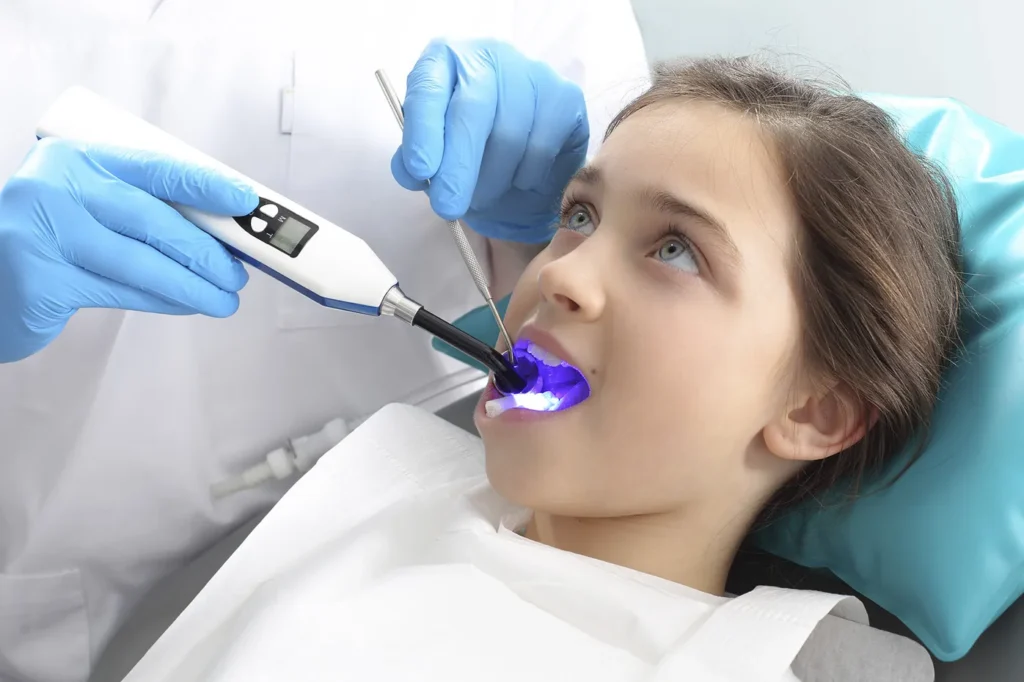
Sealant placement is generally quick and does not involve drilling into healthy tooth structure. The tooth is cleaned, isolated so it stays dry, prepared so the material can bond properly, and then coated with the sealant. A curing light may be used to harden the material.
You may notice the coating with your tongue at first, but it should not interfere with your bite. If a sealed tooth feels unusually high or uncomfortable after the appointment, let the office know so it can be checked.
How Long Do Sealants Last?
Sealants can remain protective for years, but they should be checked during routine dental visits. Chewing forces can gradually wear or chip the material, and some sealants may need to be repaired or replaced as the child grows or the tooth continues to function.
Good brushing, flossing, and regular cleanings are still necessary. Sealants only protect the surfaces they cover; cavities can still develop between teeth, along the gumline, or anywhere plaque remains for long periods. A worn sealant should be repaired based on what the dentist sees, not on an automatic replacement schedule.
Sealants and Curodont Treat Different Problems
Sealants are used to protect vulnerable tooth surfaces before a cavity needs restorative treatment. Curodont is different. It may be considered for certain early, non-cavitated areas of tooth decay where the enamel has begun to demineralize but the surface has not broken down into a hole.
That distinction matters because neither treatment is a substitute for a filling once decay has progressed far enough to create a cavity that requires restoration. An examination determines whether the tooth needs prevention, early-caries treatment, or a filling.
Sealants as Part of Preventive Dental Care
Sealants work best as one part of a broader preventive routine. Brushing with fluoride toothpaste, cleaning between the teeth, regular dental exams, and limiting frequent exposure to sugary or acidic foods and drinks all help reduce cavity risk.
For children, preventive visits also allow us to watch permanent teeth as they erupt and identify which teeth would benefit most from extra protection instead of sealing every tooth automatically. In that way, sealants become part of an individualized prevention plan, not a routine add-on for every child.
Frequently Asked Questions
Are sealants only for children?
No. Children and teenagers are common candidates, but some adults with deep, cavity-prone grooves may also benefit.
Can a tooth get a cavity under a sealant?
A sealant reduces risk on the surface it covers but does not make the tooth immune to decay. The sealant and tooth should still be checked during routine exams.
Can sealants be placed over a cavity?
Sealants are intended primarily for prevention. If decay has progressed to the point that tooth structure needs to be removed and restored, a filling or another treatment may be necessary.
What is the difference between sealants and Curodont?
Ask About Dental Sealants Near You
Dental Design Studios provides care at nine locations across the Greater Phoenix area: Apple Tree Dental Studio in Avondale, Arizona Family Dental in Chandler, 75th Ave Dental Studio in Glendale, Happy Valley Dental Studio in Phoenix, Hatcher Dental Studio in Phoenix, Smile Dental Studio in Phoenix, Thunderbird Dental Studio in Peoria, Dental Design Studio of Gilbert in Gilbert, and Scottsdale Dental Studio in Scottsdale.
If you are wondering whether sealants would help protect your child’s or your own back teeth, we can check the grooves and cavity risk during a routine visit. Sealants are simple preventive care when the tooth is healthy and the surface is a good candidate.