
Oral Cancer Screening in Gilbert, AZ

With 9 Convenient Locations in the Phoenix Area

A Routine Check for Changes in the Mouth

Oral cancer screening is an important part of preventive dental care. During a routine dental visit, your dentist can check the lips, tongue, cheeks, gums, throat, and other oral tissues for changes that may need further evaluation.

At Dental Design Studio in Gilbert, AZ, oral cancer screenings are included as part of a careful look at your overall oral health. Many changes in the mouth are not serious, but some should be checked early. If we notice an unusual sore, lump, color change, rough patch, or tissue concern, we can explain what we see and help you understand the next step.

Our office is located on E Guadalupe Road near Dana Park Village Square, Gilbert Road, Freestone District Park, Gilbert High School, and Downtown Gilbert. We serve patients from Val Vista Lakes, The Islands, Stonecreek, Freestone Station, Morrison Ranch, and surrounding East Valley communities.

Call 480-621-5535 to schedule an oral cancer screening in Gilbert, AZ.

Dental Design Studios logo for a dental office serving Greater Phoenix, AZ

Need To Schedule OR Have A Question?

Services Form

What Is an Oral Cancer Screening?

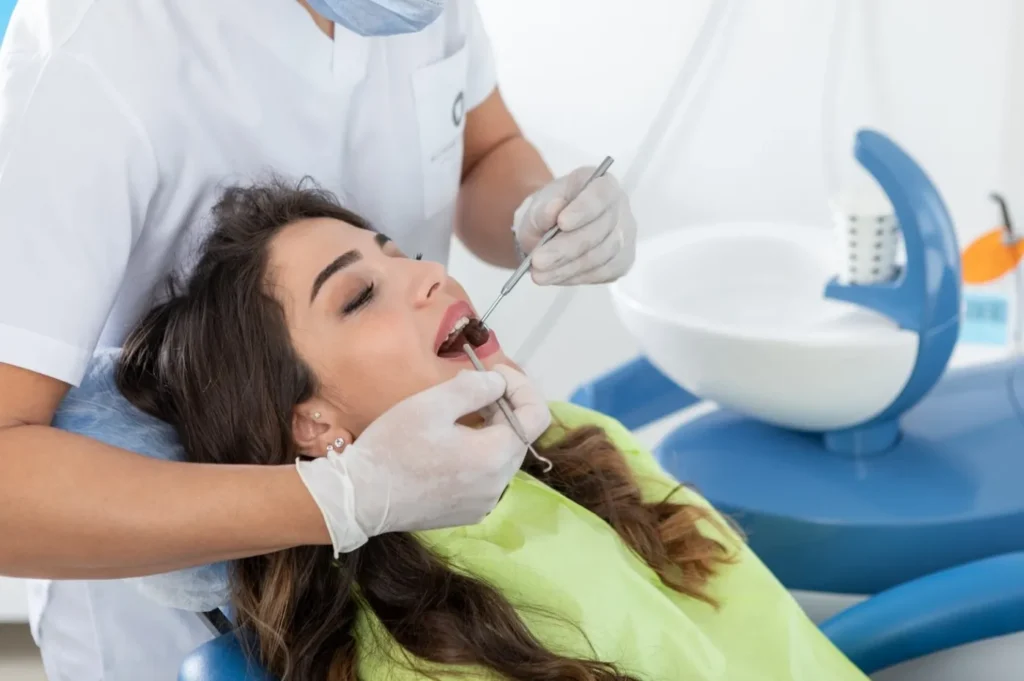
An oral cancer screening is a visual and physical examination of the mouth and surrounding tissues. The goal is to look for changes that may not be obvious to the patient, especially in areas that are hard to see at home.

During the screening, we may check the lips, inside of the cheeks, tongue, floor of the mouth, roof of the mouth, gums, throat area, jaw, and neck. We look for changes in color, texture, shape, tissue thickness, and healing patterns.

An oral cancer screening does not diagnose cancer by itself. If something looks concerning, additional evaluation may be recommended. This may include monitoring the area, referring to a specialist, or recommending further testing.

Why Oral Cancer Screenings Matter

Some oral tissue changes are easy to miss. A small sore, red or white patch, rough area, or thickened spot may not hurt at first. Because these changes can develop quietly, routine dental visits are a helpful time to check the mouth more thoroughly.

Oral cancer screenings are especially important because your dental team sees areas of the mouth that patients often cannot evaluate well on their own. Regular screenings create a pattern of monitoring, which makes it easier to notice when something looks different from a previous visit.

Even when no concerns are found, the screening gives patients a chance to ask about changes they have noticed, including sores, irritation, bleeding, hoarseness, difficulty swallowing, or a persistent bad taste.

A First Visit Focused on a Full Oral Health Check

If you are new to Dental Design Studio, your first visit includes a review of your dental history, medical history, lifestyle factors, symptoms, and any concerns you have noticed in your mouth.

Our team will ask about changes such as sores that do not heal, lumps, rough patches, bleeding, numbness, pain, difficulty chewing, difficulty swallowing, or changes in how your bite or tongue feels. We may also ask about tobacco use, alcohol use, past oral lesions, sun exposure on the lips, and other factors that can affect oral tissue health.

During the exam, we check your teeth, gums, bite, restorations, and soft tissues. If we see anything unusual, we explain the finding clearly and discuss whether it should be monitored or evaluated further.

What We Check During an Oral Cancer Screening

An oral cancer screening looks at several areas in and around the mouth.

Lips

The lips can develop sores, discoloration, rough patches, or changes related to sun exposure, irritation, tobacco use, or other causes. We check the surface of the lips and the tissue just inside the mouth.

Tongue

The tongue is examined on the top, sides, and underneath. Changes on the sides or underside of the tongue can be difficult to see at home, which makes a dental screening important.

Cheeks and Inner Mouth

We check the inside of the cheeks for red patches, white patches, ulcers, thickened tissue, bite trauma, or irritation from teeth or dental appliances.

Gums and Floor of the Mouth

The gums and floor of the mouth are checked for sores, swelling, tissue changes, lumps, or areas that bleed easily.

Roof of the Mouth and Throat Area

We look at the palate and visible throat area for changes in color, texture, tissue shape, or signs of irritation.

Jaw and Neck

In some cases, we may gently feel the jaw, neck, or nearby areas for lumps, swelling, tenderness, or changes that may need further evaluation.

Signs That Should Be Checked

Not every sore or spot in the mouth is serious. Many oral changes are caused by irritation, accidental biting, hot foods, rough dental work, dentures, braces, infections, or other common issues. However, certain changes should be evaluated if they do not improve.

A sore that does not heal

A sore that lasts longer than expected should be checked, especially if it has been present for two weeks or more.

Red or white patches

Red, white, or mixed-color patches on the gums, tongue, cheeks, or other oral tissues may need further evaluation.

A lump or thickened area

Any new lump, bump, swelling, or thickened tissue in the mouth, jaw, or neck should be examined.

Unexplained bleeding

Bleeding that is not clearly related to brushing, flossing, injury, or gum disease should be discussed during your visit.

Numbness or pain

Unexplained numbness, tenderness, or pain in the mouth, lips, tongue, or jaw should be checked.

Trouble chewing, swallowing, or moving the tongue

Changes in chewing, swallowing, speech, or tongue movement may need a closer evaluation.

Who Should Have Oral Cancer Screenings?

Oral cancer screenings are recommended for adults as part of routine dental care, but they can also be helpful for younger patients if symptoms or risk factors are present.

Patients who use tobacco, vape, drink alcohol frequently, have a history of oral lesions, have significant sun exposure on the lips, or notice persistent mouth changes should be especially consistent with screenings. Patients with no known risk factors still benefit from routine checks because oral tissue changes can happen for many reasons.

At Dental Design Studio, we include soft tissue evaluation as part of a full preventive dental visit. If you have noticed something unusual, you do not need to wait for your next cleaning to ask about it.

Oral Cancer Screening During Routine Dental Care

Oral cancer screening is often completed during a dental checkup or cleaning and examination. It is a simple part of the visit, but it provides useful information about the health of your mouth.

During preventive visits, we are already checking your teeth, gums, bite, restorations, and oral tissues. Adding a focused look at the soft tissues helps us evaluate the mouth as a whole, not just the teeth.

Routine visits also make it easier to compare changes over time. If a spot appears, changes, grows, or does not heal, we can help you decide whether monitoring or further evaluation is needed.

What Happens If We Find Something Unusual?

If we find an area that looks unusual, we will explain what we see and what the next step may be. In some cases, the area may look like irritation from a sharp tooth, cheek biting, a dental appliance, or another identifiable cause. We may recommend removing the source of irritation and rechecking the area.

If the area does not improve or has features that need additional attention, we may recommend further evaluation. This may include referral to an oral surgeon, physician, or specialist for testing or biopsy.

Finding something unusual does not mean you have cancer. It means the area should be taken seriously and evaluated properly.

Oral Tissue Changes and Dental Appliances

Dentures, partial dentures, retainers, aligners, night guards, and other appliances can sometimes irritate the soft tissues of the mouth. A rough edge, poor fit, or pressure spot may cause sores or inflammation.

During an oral cancer screening, we can check areas that are in contact with dental appliances. If irritation appears to be related to fit or friction, we may recommend an adjustment or further evaluation.

Patients should not ignore sores caused by appliances. If an irritated area does not heal after the source of trauma is addressed, it should be checked again.

Oral Cancer Screening and Tobacco Use

Tobacco use can affect the health of the mouth, including the gums, tongue, cheeks, lips, and throat area. Smoking, chewing tobacco, and other forms of tobacco exposure can increase the need for consistent oral tissue monitoring.

If you use tobacco or have used it in the past, let our team know. This information helps us understand your risk factors and pay close attention to areas that may be more vulnerable to irritation or tissue changes.

Our role is not to lecture you. Our role is to help monitor your oral health and give you clear information about what we see.

Oral Cancer Screening and Dental Anxiety

Some patients feel nervous when they hear the words oral cancer screening. Others avoid dental visits because they are worried about what may be found.

At Dental Design Studio, we explain the screening in a straightforward way. The exam is usually simple and part of routine preventive care. If we find something that needs attention, we will explain it clearly and help you understand what should happen next.

For patients with dental anxiety, knowing that the mouth is being checked regularly can actually reduce uncertainty. You do not have to guess whether a sore, patch, or change is something to worry about. You can ask, and we can take a closer look.

How to Monitor Your Mouth at Home

Routine screenings are important, but patients should also pay attention to changes between visits. A simple self-check can help you notice anything new.

Look for sores that do not heal, red or white patches, swelling, lumps, unexplained bleeding, rough areas, or changes in how your tongue, cheeks, or gums feel. You should also pay attention to persistent hoarseness, difficulty swallowing, or numbness.

If something feels different and does not improve, call our office. It is better to have an area checked than to wait and wonder.

Membership Options for Preventive Dental Care

Dental Design Studio offers membership options for patients who want a clearer way to manage preventive dental care without relying on traditional insurance. These plans are designed to reduce confusion around waiting periods, annual limits, and unclear coverage rules.

Membership options may include preventive visits, unlimited emergency exams, and different levels based on routine care, gum health, or dental implant maintenance.

For patients who want to stay consistent with exams, cleanings, and oral cancer screenings, membership options may make routine care easier to plan throughout the year.

Oral Cancer Screening Near Dana Park and Downtown Gilbert

Dental Design Studio is located at:

2323 E Guadalupe Rd STE 101
Gilbert, AZ 85234
Phone: 480-621-5535

Our office is near Dana Park Village Square, Gilbert Road, Freestone District Park, Southeast Regional Library, Gilbert High School, and Gilbert Town Hall & Municipal Center.

We welcome patients from Val Vista Lakes, The Islands, Dana Park, Stonecreek, Freestone Station, Morrison Ranch, Downtown Gilbert, and nearby East Valley communities.

Schedule an Oral Cancer Screening in Gilbert, AZ

If you are due for a dental checkup or have noticed a sore, patch, lump, or tissue change in your mouth, Dental Design Studio can help you get a clearer answer.

Call 480-621-5535 to schedule an oral cancer screening in Gilbert, AZ.

Frequently Asked Questions About Oral Cancer Screening

What is an oral cancer screening?

An oral cancer screening is an exam of the lips, tongue, cheeks, gums, throat area, and other oral tissues to look for unusual sores, lumps, discoloration, or tissue changes.

Does an oral cancer screening hurt?

No. The screening is usually quick and comfortable. It involves looking at the soft tissues of the mouth and may include gently feeling the jaw or neck for lumps or swelling.

How often should I have an oral cancer screening?

Many patients have an oral cancer screening during routine dental checkups. Some patients may need closer monitoring based on symptoms, tobacco use, past oral lesions, or other risk factors.

What signs should I call about?

Call if you notice a sore that does not heal, red or white patches, a lump, unexplained bleeding, numbness, pain, or difficulty chewing or swallowing.

What happens if something unusual is found?

We will explain what we see and recommend the next step. Some areas may need to be rechecked after irritation is removed, while others may need referral for further evaluation or testing.

Testimonials

Reviews

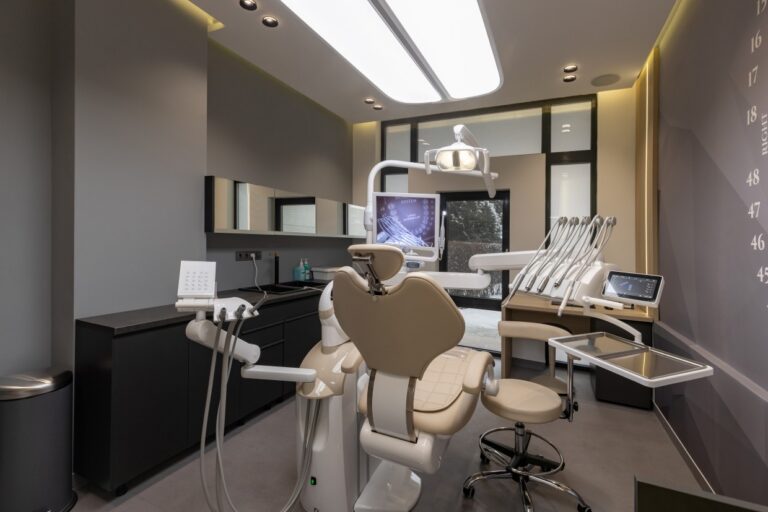
Modern dental operatory with patient chair, mounted screen, overhead lighting, and dark cabinetry
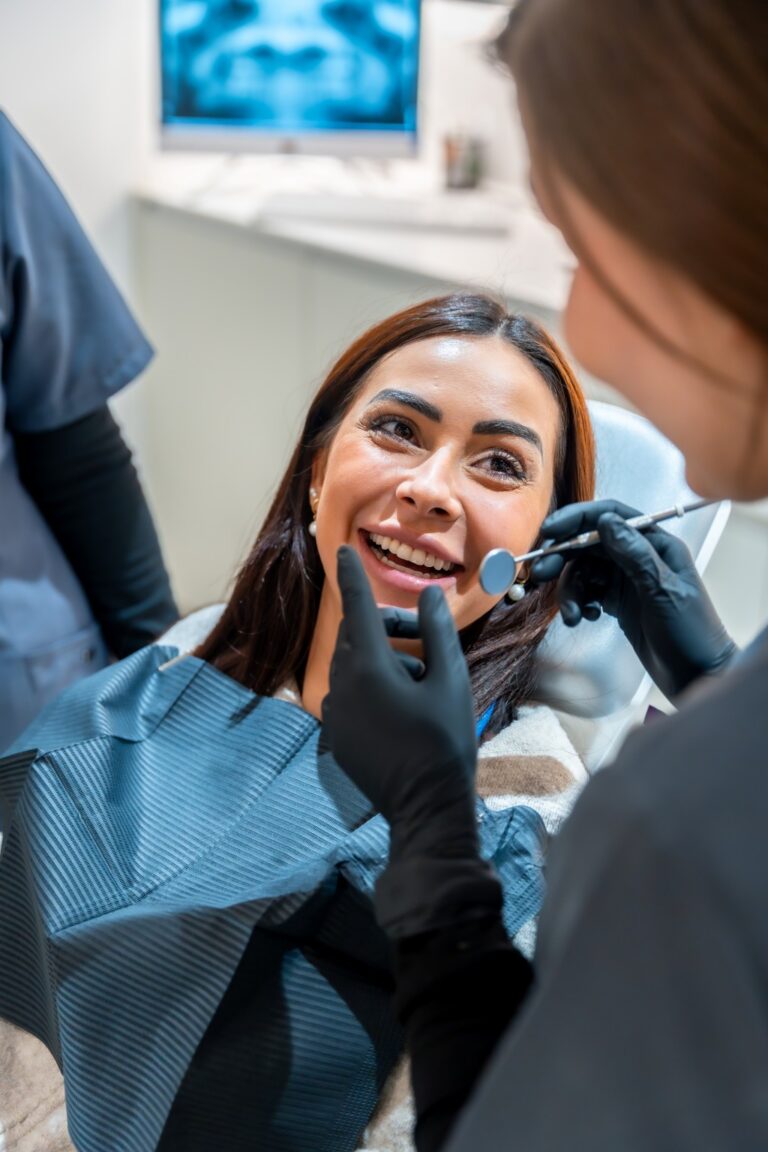
Smiling patient in a dental chair during a consultation or treatment visit with clinician nearby