
A brighter smile is one of the most common cosmetic dental goals, but tooth discoloration is not always as simple as it looks. Two people can have teeth that appear similarly stained while having completely different causes behind the color change. That difference matters because the type of discoloration can influence how well whitening treatment works.
Professional teeth whitening can lighten many common stains and improve the overall brightness of natural teeth. However, it does not remove every type of discoloration, and it cannot change the color of dental restorations such as crowns, veneers, or tooth-colored fillings. Some deeper stains may respond more slowly, while others may be better addressed with a different cosmetic or restorative treatment.
For Greater Phoenix patients searching for professional teeth whitening near me, the best place to start is understanding why the teeth have changed color. A dental evaluation can help distinguish everyday staining from deeper discoloration, existing dental work, or an oral health issue that should be treated before whitening begins.
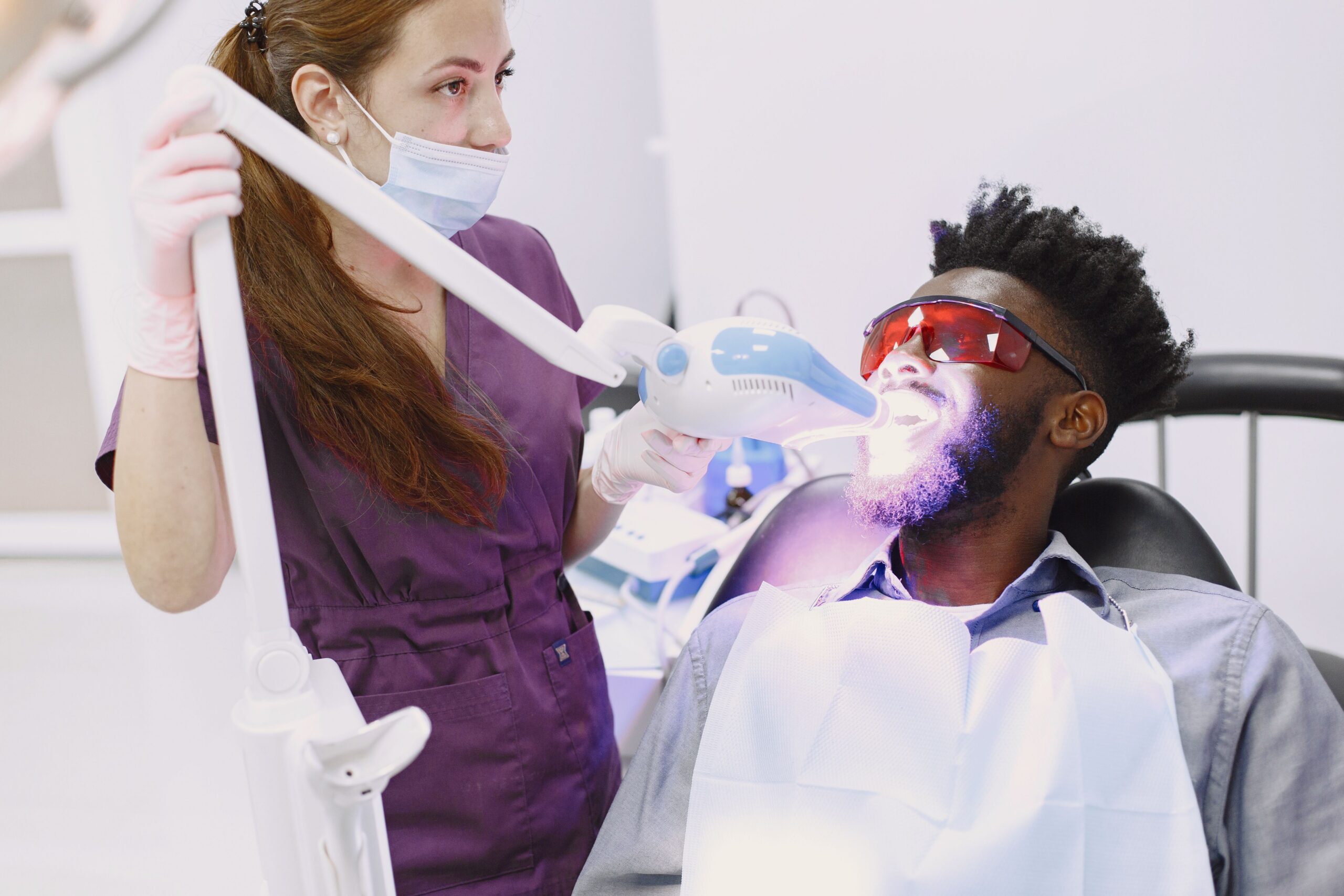
Why Teeth Become Discolored
Tooth color can change for many reasons. Some changes develop gradually after years of eating and drinking pigmented foods and beverages. Others originate inside the tooth rather than on its surface.
Dentists generally divide discoloration into two broad categories: extrinsic and intrinsic staining. Some patients have a combination of both. Extrinsic stains affect the outer surface of the enamel, while intrinsic discoloration develops within the enamel or underlying dentin.
Understanding this distinction helps explain why a treatment that works very well for one patient may produce a different result for another. The dentist is not simply looking at how dark the teeth appear. The likely source of the discoloration, the condition of the enamel, previous dental work, and the patient’s overall oral health all matter when choosing an appropriate cosmetic treatment.
What Are Extrinsic Tooth Stains?
Extrinsic stains develop on the outer surface of the teeth. These are among the most familiar types of discoloration and are often related to everyday habits.
Coffee, tea, red wine, dark-colored foods, tobacco, and other strongly pigmented substances can gradually leave colored compounds on the enamel. Oral hygiene also plays a role because plaque and surface buildup can make discoloration more noticeable.
Surface stains are often among the most responsive to professional cleaning or whitening. However, those are not necessarily the same treatment. A dental cleaning physically removes plaque, tartar, and some surface stain, while bleaching agents used in whitening chemically alter colored compounds within the tooth to create a lighter appearance.
This is one reason it can make sense to have your teeth professionally cleaned before deciding how much whitening you actually need.
Does Professional Whitening Work on Coffee, Tea, and Food Stains?
Discoloration associated with coffee, tea, wine, and other pigmented foods and beverages often responds well to whitening, particularly when the discoloration involves otherwise healthy natural teeth.
The degree of improvement will vary. Someone with mild surface staining may have different needs than a patient whose teeth have accumulated discoloration over many years. Whitening also does not prevent the teeth from becoming stained again in the future.
After treatment, limiting frequent exposure to heavily pigmented foods and beverages, rinsing with water, maintaining good oral hygiene, and keeping up with professional dental cleanings can help reduce new surface discoloration. Cleveland Clinic also recommends routine dental care and good home hygiene as part of managing everyday staining.
What Are Intrinsic Tooth Stains?
Intrinsic discoloration is located within the tooth rather than simply resting on its surface. It may develop while teeth are forming or occur later because of aging, injury, certain medications, tooth decay, or changes within the tooth itself.
These stains can be more complicated because brushing, polishing, and surface stain removal cannot reach the underlying color change. Professional bleaching can improve some intrinsic discoloration because whitening agents are able to penetrate dental hard tissues and interact with colored compounds within the enamel and dentin.
However, not every intrinsic stain responds equally. Color, cause, severity, and the structure of the tooth all influence the result. Some patients may need a longer whitening approach, while others may be better candidates for a cosmetic treatment that masks the discoloration rather than bleaching it.
Can Whitening Improve Age-Related Yellowing?
Teeth commonly become darker or more yellow with age. Over time, enamel can become thinner and more translucent, allowing more of the naturally yellower dentin underneath to influence the overall appearance of the teeth. Years of food and beverage staining may contribute at the same time.
Professional whitening can often improve age-related discoloration, but the final shade depends on the individual tooth structure and starting color. Cosmetic dentistry should be approached as improvement rather than an attempt to make every patient’s teeth the exact same shade.
A natural-looking result is also influenced by factors such as skin tone, existing restorations, and neighboring teeth. During a whitening consultation, discussing your goals can help your dentist recommend an approach that fits your smile rather than relying on a generic shade expectation.
What About Gray, Brown, or Deeply Discolored Teeth?
Teeth that appear gray or brown deserve closer evaluation before whitening treatment begins. Some deeper discoloration can respond to professional bleaching, but darker teeth may have causes that require a different approach.
For example, a single tooth that suddenly becomes gray or noticeably darker than surrounding teeth can sometimes be associated with previous trauma, decay, or changes involving the tissue inside the tooth. Cleveland Clinic recommends having isolated tooth discoloration evaluated because the underlying cause may be different from ordinary cosmetic staining.
This is an important reason not to assume that every dark area should simply be whitened. A dentist should first determine whether the tooth is healthy and whether cosmetic bleaching is appropriate.
Can Medication-Related Stains Be Whitened?
Certain medications taken while teeth were developing can contribute to intrinsic discoloration. Tetracycline-related staining is one example discussed in dental literature and by the ADA.
Some medication-related discoloration may respond to bleaching, but results can vary considerably depending on the pattern and severity of the staining. These cases may also require more time than ordinary surface discoloration.
When whitening alone cannot create the desired improvement, cosmetic alternatives may be discussed. The appropriate recommendation depends on how many teeth are involved, their health and structure, and what the patient hopes to change about the appearance of the smile.
Can White Spots Be Removed With Teeth Whitening?
White spots create a different cosmetic challenge. Instead of an area appearing darker than the rest of the tooth, part of the enamel appears lighter.
White areas may have several causes, including changes that occurred while enamel was developing. In some situations, whitening the surrounding tooth structure can make the overall color difference less noticeable, but bleaching does not literally remove the white area. The ADA notes that certain white discolorations may become less noticeable as the background tooth color changes.
Because white spots can have different causes, they should be evaluated before cosmetic treatment. A dentist can determine whether whitening is reasonable or whether another cosmetic approach should be considered.
Will Teeth Whitening Change the Color of Crowns or Veneers?
No. This is one of the most important limitations patients should understand before whitening their teeth.
Bleaching agents work on natural tooth structure. Tooth-colored restorations, including crowns and other restorations, do not respond to whitening treatment in the same way. If natural teeth become lighter while existing restorations remain the same shade, the difference can become more noticeable.
Dental Design Studios also addresses this during its professional teeth whitening consultation process, noting that existing crowns and veneers do not respond to conventional whitening agents.
This is especially important for patients who have restorations on highly visible front teeth. Your dentist can evaluate the overall smile before treatment and explain how whitening may affect the color match.
What About Tooth-Colored Fillings and Bonding?
The same general principle applies to composite fillings and dental bonding. The material itself does not become lighter simply because the surrounding natural enamel is whitened.
For patients with tooth-colored restorations in visible areas, the dentist may recommend considering the order of cosmetic treatments carefully. In some situations, whitening the natural teeth first can establish the shade that will later be used when planning a new visible restoration.
Existing restorations do not automatically need to be replaced because someone wants whiter teeth. Whether replacement makes sense depends on their location, current condition, color difference, and the patient’s cosmetic goals.
What If Whitening Does Not Improve the Stain Enough?
Professional whitening is often a conservative first cosmetic option because it changes tooth color without covering the natural tooth with a restoration. But when discoloration does not respond sufficiently to bleaching, other treatments may be considered.
Dental bonding can use tooth-colored composite material to mask certain areas of discoloration while also addressing small cosmetic concerns such as chips or irregularities. Veneers are another option that can cover the front surfaces of selected teeth and change color, shape, or other visible characteristics. Cleveland Clinic identifies bonding and veneers among potential approaches for discoloration that does not improve adequately with whitening.
Dental Design Studios also provides dental veneers and laminates for appropriate cosmetic cases involving staining or discoloration. Veneers are more involved than whitening, however, so they should not be viewed as a routine replacement for bleaching simply because a patient wants a brighter smile.
Why Have a Dental Exam Before Whitening?
A whitening consultation is not only about choosing a shade. Your dentist should first make sure your teeth and gums are healthy enough for cosmetic treatment.
Cavities, cracked teeth, gum inflammation, significant sensitivity, and other dental concerns may need attention before whitening begins. A dark area that looks like staining could also be decay or another dental problem. Cleveland Clinic recommends addressing conditions such as cavities or gum disease before starting a whitening treatment.
Dental Design Studios’ whitening consultation similarly includes reviewing dental and health history, discussing cosmetic goals, examining the teeth, and identifying dental or gum concerns that may need treatment first.
An exam also gives your dentist an opportunity to identify crowns, veneers, bonding, and fillings that may affect the final color match.
Can Professional Teeth Whitening Cause Sensitivity?
Some patients experience temporary tooth sensitivity during or after whitening. Gum irritation can also occur. The ADA identifies temporary tooth sensitivity and gingival inflammation as the most common adverse effects associated with vital tooth whitening.
Sensitivity does not affect everyone in the same way. Your existing sensitivity, the concentration and duration of treatment, and your individual teeth can all influence how the experience feels.
One advantage of professional guidance is that your dental team can consider your dental history and sensitivity before recommending treatment. If you already have sensitive teeth, exposed roots, gum recession, or another condition that makes whitening uncomfortable, tell your dentist before beginning.
How Long Does Professional Teeth Whitening Last?
Teeth whitening is not permanent. A common question patients have after treatment is, how long does professional teeth whitening last? There is no single timeline that applies to everyone because the teeth continue to be exposed to foods, beverages, tobacco, aging, and other influences that can gradually contribute to discoloration again.
How quickly stains return varies from person to person. Consistent brushing and flossing, regular dental cleanings, and limiting habits that contribute to staining can help maintain a brighter appearance for longer. Patients who frequently consume coffee, tea, wine, or other strongly pigmented foods and drinks may notice new discoloration sooner than patients with fewer staining exposures.
Touch-up whitening may eventually be appropriate for some patients, but the timing should be individualized. Repeated treatment should follow professional recommendations rather than the assumption that more frequent whitening always produces a better result.
Professional Whitening vs. a Dental Cleaning
Patients sometimes schedule whitening when what they actually need first is a professional cleaning. While both can improve the appearance of the smile, they accomplish different things.
A cleaning removes plaque, tartar, and certain surface stains. Whitening changes the color of natural teeth by using bleaching agents to alter stain molecules. Professional cleanings alone can sometimes make teeth appear brighter when surface buildup is contributing to dullness, but they do not change the underlying natural shade in the way bleaching can.
If you are overdue for preventive care, your dentist may recommend cleaning and examining your teeth before moving forward with cosmetic whitening. That sequence also provides a healthier, cleaner starting point for discussing your cosmetic goals.
Find the Right Whitening Approach for Your Smile
So, can professional teeth whitening remove every type of stain? No, but it can effectively lighten many common forms of discoloration. The key is understanding what caused the color change in the first place.
Surface stains from foods and beverages, age-related discoloration, and some deeper stains may respond to whitening. Other discoloration may respond less predictably, while crowns, veneers, fillings, and bonding will not whiten at all. A single suddenly dark tooth or discoloration accompanied by pain or other symptoms should be evaluated rather than treated as a purely cosmetic issue.
Dental Design Studios provides professional teeth whitening and other cosmetic dentistry options for patients throughout the Greater Phoenix area. If you are considering a brighter smile, contact your local Dental Design Studios office to schedule an evaluation and learn which approach may be appropriate for your teeth and cosmetic goals.
Dental Care Across the Greater Phoenix Area
Dental Design Studios has nine convenient dental office locations throughout the Greater Phoenix area, making it easier for patients to access quality dental care close to home. Our offices serve patients in Avondale, Chandler, Glendale, Phoenix, Peoria, Gilbert, Scottsdale, and nearby communities.
Find a Dental Design Studios location near you:
- Apple Tree Dental Studio in Avondale
- Arizona Family Dental in Chandler
- 75th Ave Dental Studio in Glendale
- Happy Valley Dental Studio in Phoenix
- Hatcher Dental Studio in Phoenix
- Smile Dental Studio in Phoenix
- Thunderbird Dental Studio in Peoria
- Dental Design Studio in Gilbert
- Scottsdale Dental Studio in Scottsdale