
Protective dental appliances can look similar, but they are not all designed for the same purpose. Two of the most common examples are mouth guards and night guards. Both fit over the teeth and can help protect the smile, but one is generally associated with sports and physical activity while the other is commonly used to manage the effects of teeth grinding or clenching.
Understanding the difference between a mouth guard and a night guard matters because using the wrong type of appliance may not provide the protection you need. A sports mouth guard is designed with impacts in mind, while a night guard is made to withstand the forces created when the upper and lower teeth press or grind against each other during sleep.
For patients throughout the Greater Phoenix area, a dentist can evaluate your teeth, bite, habits, and activities to determine whether a protective dental appliance may be beneficial. Here is what to know about mouth guards, night guards, and how they differ.
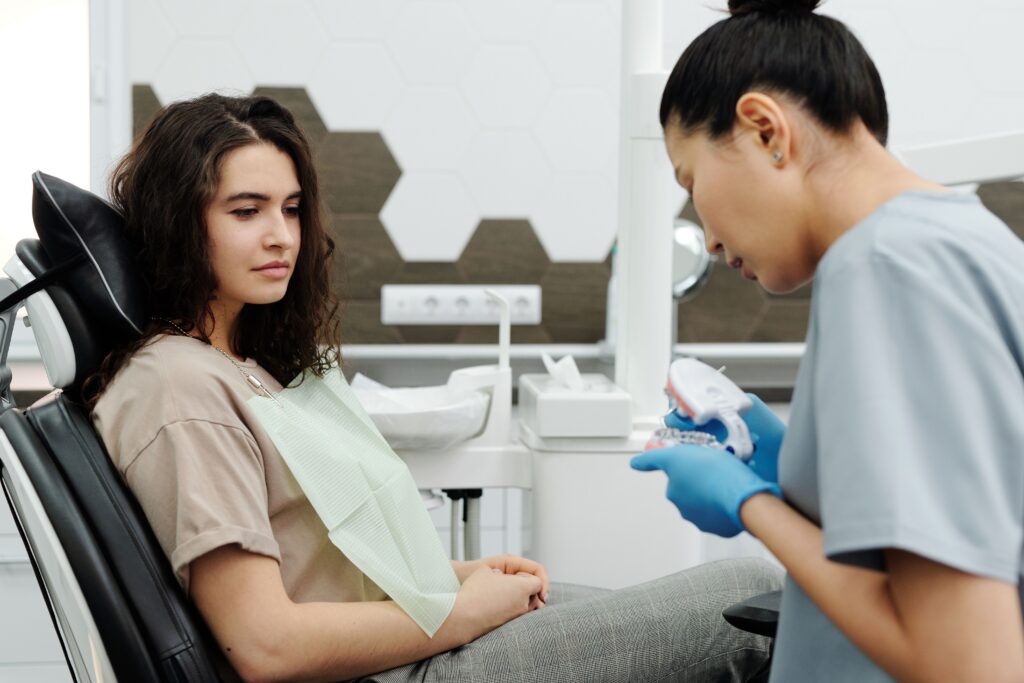
What Is a Mouth Guard?
A mouth guard is a protective appliance worn over the teeth during activities that could result in an injury to the mouth. It is commonly associated with contact sports, but athletes participating in any activity where a fall, collision, ball, or piece of equipment could strike the face may benefit from wearing one.
The purpose of a sports mouth guard is to help cushion the teeth and surrounding oral structures from impact. Depending on the type of injury, a mouth guard may help reduce the likelihood or severity of chipped teeth, broken teeth, injuries to the lips and cheeks, and other dental trauma.
Dental Design Studios offers mouth guards for patients who need added protection during sports and other activities. A properly fitted appliance should stay securely in place while still allowing the wearer to breathe and communicate comfortably.
What Is a Night Guard?
A night guard is worn while sleeping and is primarily intended to protect the teeth from the effects of grinding or clenching. Teeth grinding is also known as bruxism, and some patients do it without realizing it because it occurs during sleep.
Repeated grinding can place significant pressure on the teeth. Over time, that pressure may contribute to worn enamel, small chips, cracks, tooth sensitivity, or damage to existing fillings and crowns. Clenching can also place stress on the muscles and joints involved in jaw movement.
A night guard creates a protective barrier between the upper and lower teeth. Depending on the patient’s needs, the dentist may recommend a particular design based on the bite, where grinding occurs, and how much protection is needed.
Mouth Guard vs. Night Guard: The Main Difference
The simplest distinction is the situation each appliance is designed for.
A sports mouth guard protects against external impact. A night guard helps protect against forces generated by your own bite while grinding or clenching.
Those purposes affect how each appliance is designed. Sports mouth guards generally need to provide cushioning around the teeth because they may need to absorb sudden impact. Night guards are designed to tolerate repeated contact between the upper and lower teeth over many hours of sleep.
Although the appliances may look similar, they should not automatically be considered interchangeable. If you grind your teeth at night, wearing an appliance intended only for sports may not provide the fit or durability your dentist wants for long-term nighttime use. Similarly, a night guard is not necessarily designed to provide the impact protection needed during athletic activities.
Who May Benefit From a Sports Mouth Guard?
Sports mouth guards are often recommended for people participating in activities where the face or mouth could be struck. Football, hockey, lacrosse, boxing, martial arts, and other contact sports are obvious examples, but dental injuries are not limited to those activities.
Basketball, baseball, soccer, skateboarding, mountain biking, gymnastics, and other sports can also involve falls or collisions. Even when an organization does not require a mouth guard, a dentist may recommend one based on the level of risk.
Children and teenagers involved in athletics may especially benefit from developing the habit of wearing a mouth guard early. Adults participating in recreational or competitive sports should also consider whether their teeth would be vulnerable during their chosen activity.
Patients with braces or other dental appliances may have additional considerations. A dentist can recommend an appropriate protective option based on the type of orthodontic or restorative treatment present.
Who May Benefit From a Night Guard?
Night guards are typically considered when a patient shows signs of grinding or clenching. Because bruxism can happen during sleep, patients sometimes learn about it only after their dentist notices changes in the teeth.
Signs that may lead to a conversation about a night guard include flattened or worn tooth surfaces, small chips, recurring damage to restorations, tooth sensitivity, or evidence that the upper and lower teeth are receiving excessive pressure.
Some people also wake with tired or tight jaw muscles. Morning headaches or jaw discomfort can have many potential causes, so those symptoms should be evaluated rather than assumed to be caused by grinding.
If your dentist believes bruxism is contributing to tooth wear or damage, a night guard may be one part of a broader plan to protect your teeth. It does not necessarily eliminate the reason you grind or clench, but it can help create a protective surface between the teeth.
Can You Tell If You Grind Your Teeth at Night?
Not always. Some patients hear themselves grinding, or a partner notices the sound. Others have no idea it is happening until signs begin appearing in the mouth.
Dentists can look for patterns of wear and other changes that may suggest grinding or clenching. However, tooth wear alone does not automatically prove that someone currently grinds their teeth. Age, bite patterns, diet, previous dental issues, and other factors can also affect enamel.
That is why an examination is important. Instead of purchasing an appliance based solely on a symptom such as morning jaw soreness, your dentist can evaluate the teeth, existing restorations, bite, muscles, and other possible contributors.
Patients experiencing ongoing jaw discomfort should also mention symptoms such as clicking, limited movement, headaches, or pain while chewing. These details can help the dental team determine whether further evaluation is appropriate.
Why Fit Matters
A protective appliance only works well if it fits properly and is appropriate for its purpose. An appliance that moves around, feels excessively bulky, interferes with breathing, or changes the way the teeth come together may be difficult to wear consistently.
Over-the-counter mouth guards are widely available. Some are preformed, while others use a boil-and-bite process to create a more individualized fit. These options may be adequate for certain situations, particularly occasional recreational sports.
Custom appliances are made based on the patient’s mouth. Dental impressions or digital scans can be used to create a guard that fits the shape and position of the teeth more precisely.
For frequent athletic use, significant grinding, extensive dental restorations, orthodontic treatment, or unusual bite conditions, discussing custom protection with a dentist may be particularly worthwhile.
Can a Mouth Guard Protect Dental Work?
Dental restorations such as crowns, bridges, veneers, bonding, and fillings can be affected by excessive force or trauma just like natural teeth.
A sports injury may damage a restoration, while repeated grinding can contribute to wear or fractures over time. Patients who have invested in restorative or cosmetic treatment may therefore have another reason to consider appropriate protection.
The specific appliance should account for the dental work that is already present. For example, a patient with multiple crowns may need a different nighttime design than someone with completely untreated teeth. Patients undergoing orthodontic treatment also need an appliance that accommodates changes in tooth position.
Tell your dentist about your activities and any concerns about grinding. This allows the appliance to be planned around your existing dental work rather than treating every smile the same way.
How Long Do Mouth Guards and Night Guards Last?
There is no single replacement schedule that applies to every patient. How long an appliance lasts depends on the material, how frequently it is worn, how strongly the patient grinds, whether the mouth is still developing, and how well the guard is maintained.
A child or teenager may need a new sports mouth guard as the teeth and jaws develop. Adults may need replacement if an appliance becomes damaged, warped, loose, uncomfortable, or no longer fits correctly.
Night guards can also show signs of wear. Someone who grinds heavily may gradually create visible marks or wear patterns in the appliance. The guard should be checked during dental visits so the dentist can determine whether it still fits and functions as intended.
Do not continue using a guard that has cracked, developed sharp edges, or noticeably changed shape without asking your dentist about it.
How Should You Clean a Dental Guard?
Keeping a mouth guard or night guard clean helps prevent odors and buildup. After use, follow the cleaning instructions provided by your dentist or the appliance manufacturer.
In general, the appliance should be rinsed and allowed to dry properly before storage. A ventilated case can help protect it while allowing moisture to escape. The case itself should also be cleaned regularly.
Avoid exposing the appliance to excessive heat unless specifically instructed to do so. Hot water, a hot vehicle, or improper cleaning methods can distort some materials and affect the fit.
Brushing and flossing your teeth also remain important. A clean appliance placed over teeth covered in plaque or food debris does not replace normal oral hygiene.
What If Your Guard Suddenly Stops Fitting?
A change in fit can happen for several reasons. The appliance itself may have warped or worn down, or something in your mouth may have changed.
New dental work can affect how an existing guard fits. Tooth movement, orthodontic treatment, loss of a tooth, or changes in the bite may also mean the appliance needs to be adjusted or replaced.
Do not force a guard onto the teeth if it no longer seats properly. Bring it with you to your dental appointment so the dentist can evaluate both the appliance and your bite.
This is another reason to bring regularly used dental appliances to routine checkups. Your dental team can examine them along with your teeth and restorations.
Do You Need Both a Mouth Guard and a Night Guard?
Some patients may need both, particularly if they participate in sports and also grind their teeth at night. In that situation, each appliance serves a separate purpose.
Someone might wear a sports mouth guard during basketball practice, for example, and a different night guard while sleeping. The design needed to cushion the mouth from a collision is not necessarily the same design needed for hours of nighttime grinding.
Rather than trying to find one appliance that does everything, ask your dentist what type of protection is appropriate for each situation.
The recommendation may also change over time. A child may outgrow a sports guard. An adult may have new restorative work placed. Changes in tooth alignment or bite can also affect how an appliance should fit.
Protecting Your Smile in the Greater Phoenix Area
Mouth guards and night guards may look similar, but they solve different problems. Sports mouth guards are designed primarily to protect teeth during activities where impacts and injuries may occur. Night guards are generally used to protect teeth from the forces associated with nighttime grinding and clenching.
Choosing the right appliance starts with understanding what you are trying to protect against. Fit, bite, existing dental work, age, activity level, and the amount of grinding can all influence the recommendation.
If you play sports, notice worn or damaged teeth, wake with jaw discomfort, or have been told that you grind your teeth, Dental Design Studios can evaluate your smile and discuss appropriate protective options. Contact your local Dental Design Studios office to schedule an appointment.
Dental Care Across the Greater Phoenix Area
Dental Design Studios has nine convenient dental office locations throughout the Greater Phoenix area, making it easier for patients to access quality dental care close to home. Our offices serve patients in Avondale, Chandler, Glendale, Phoenix, Peoria, Gilbert, Scottsdale, and nearby communities.
Find a Dental Design Studios location near you:
- Apple Tree Dental Studio in Avondale
- Arizona Family Dental in Chandler
- 75th Ave Dental Studio in Glendale
- Happy Valley Dental Studio in Phoenix
- Hatcher Dental Studio in Phoenix
- Smile Dental Studio in Phoenix
- Thunderbird Dental Studio in Peoria
- Dental Design Studio in Gilbert
- Scottsdale Dental Studio in Scottsdale