What Makes Dental Visits Difficult for You?
Anxiety is personal. One patient may be comfortable with routine cleanings but nervous about a root canal. Another may have avoided dentistry for years because of a painful past experience. Some people worry most about injections, while others feel uneasy when they cannot see what is happening.
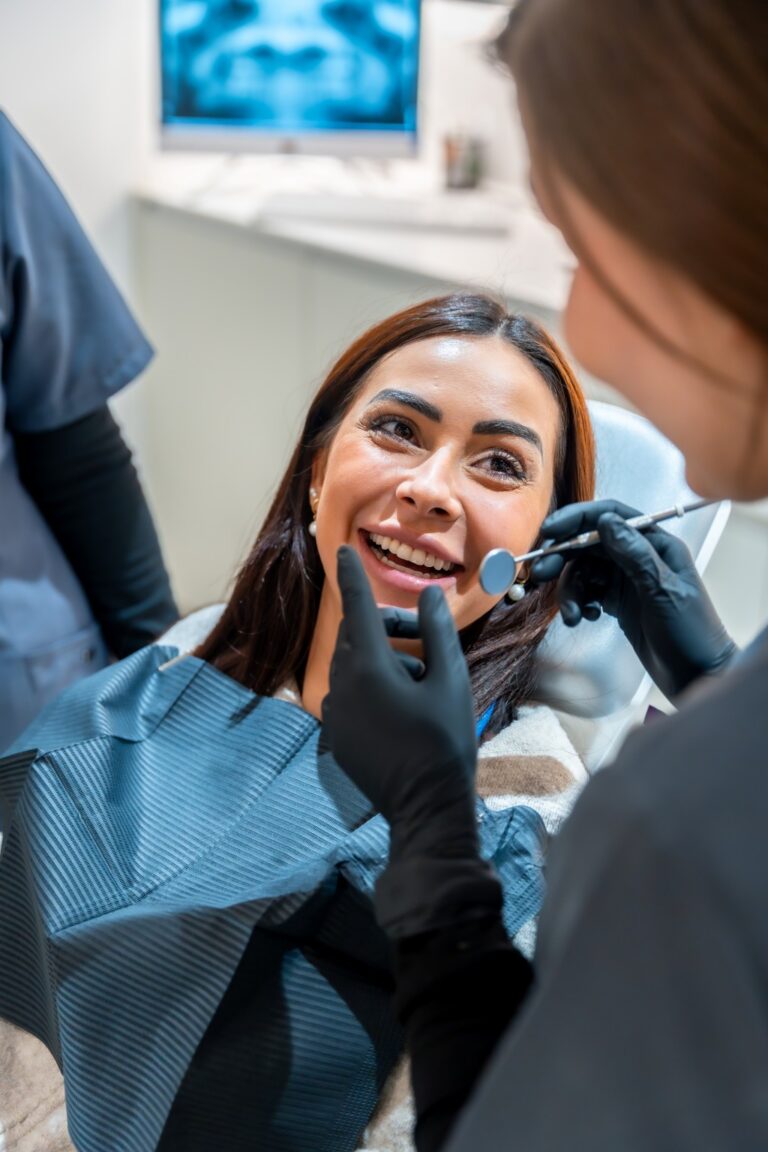
Knowing the specific concern helps us respond to it. We can explain what you will feel before we begin, agree on a signal if you need a break, answer questions before treatment, and avoid surprising you with unnecessary detail in the middle of the appointment. The point is not to convince you that you should not be nervous. It is to make the visit more predictable and give you a greater sense of control.
You Can Start With an Exam, Not a Big Treatment Plan
Patients who have been away from the dentist often imagine that the first appointment will turn into a long list of procedures. It does not have to work that way. We can begin with an examination, talk about what is most urgent, and separate what needs attention now from what can reasonably wait.
You may need very little treatment, or you may have several concerns that are easier to address in stages. Either way, you do not have to solve everything at once. A clear plan can make dental care feel much less overwhelming because you know what is happening and why.
Comfort-Focused Dental Care Without Sedation
Sedation is only one tool for anxiety. Many patients do well with thoughtful communication, adequate numbing, shorter appointments, breaks when needed, and an explanation of the treatment before it starts. If a particular sound, sensation, or part of the appointment bothers you, letting us know gives us something practical to work with.
For some patients, a first visit focused mainly on evaluation and conversation is helpful. Building a better dental experience can happen gradually, especially when previous appointments elsewhere have made it difficult to trust the process.
Sedation Options at Dental Design Studios
When anxiety is strong or the procedure is more involved, sedation may be considered. Oral sedation is available at all nine Dental Design Studios locations for appropriate patients. IV sedation can also be arranged at any location, although a qualified provider must be scheduled to come to the office for that service.
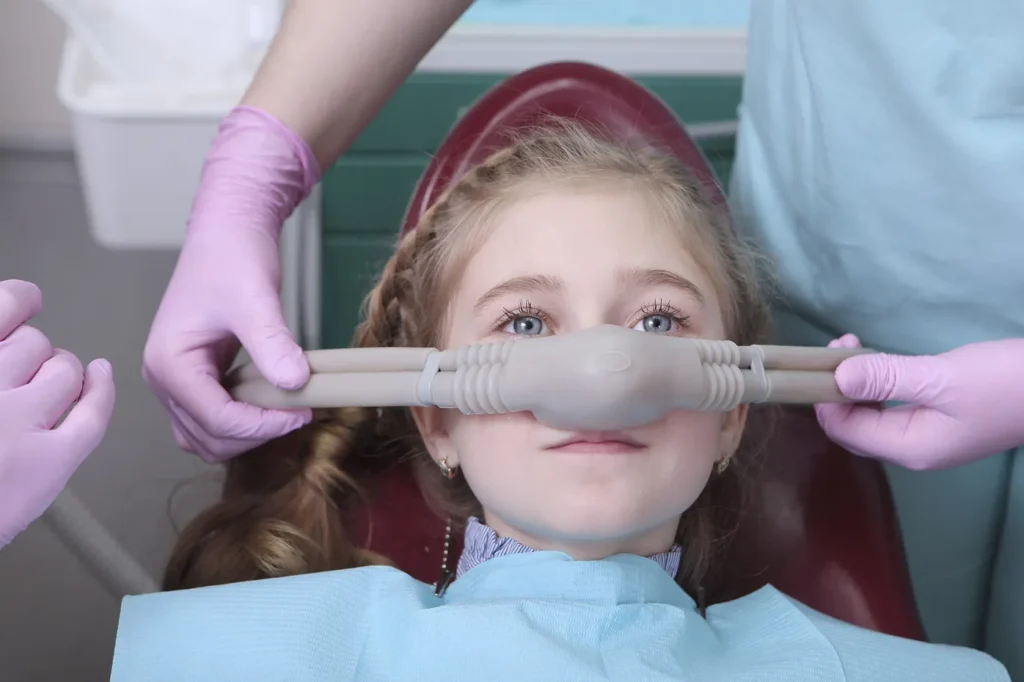
Nitrous oxide is more limited and is available at Smile Dental Studio and 75th Ave Dental Studio. Dental Design Studios does not offer general anesthesia. The right option depends on your health history, the procedure, your level of anxiety, and the type of support you need.
What Should I Expect If Sedation Is Planned?
Preparation instructions depend on the type of sedation. Some options may require changes to eating or drinking before the appointment, medication instructions, and a responsible adult to drive you home. Do not assume that instructions for one type of sedation apply to another.
Before the appointment, we will review the plan with you and explain what you need to do. Be sure to provide an accurate medication list and tell us about medical conditions, pregnancy, allergies, or previous reactions to sedation or anesthesia.
Dental Anxiety During Emergency Care
An urgent dental problem can make anxiety feel even stronger because pain and uncertainty are already part of the situation. If you are calling about severe tooth pain, swelling, a broken tooth, or another dental emergency, tell the team that you are also anxious about treatment.
We can focus first on understanding the problem and helping you feel informed. You should know what needs immediate attention, what options are available, and whether the visit is likely to involve treatment that day or a separate appointment.
Frequently Asked Questions
Is dental anxiety common?
Do I have to choose sedation if I am anxious?
No. Some patients prefer communication, breaks, careful numbing, or shorter visits without sedation. Sedation is an option when it is appropriate, not a requirement.
Does every Dental Design Studios office offer nitrous oxide?
No. Nitrous oxide is available at Smile Dental Studio and 75th Ave Dental Studio. Oral sedation is available across the nine offices, and IV sedation can be arranged with a visiting provider.
Will I need someone to drive me home after sedation?
That depends on the type of sedation. Some forms require a responsible adult to drive you and remain available afterward. We will give you specific instructions before the appointment.
What if I am embarrassed because I have not seen a dentist in years?
You are still welcome to start with an examination. Our job is to understand what your mouth needs now and help you make a realistic plan from here.
Can I start with an exam before deciding on treatment?
Yes. If the idea of a long appointment or unexpected treatment makes you anxious, the first visit can focus on understanding what is happening and discussing your options. You can make treatment decisions after you know what your mouth actually needs.
Dental Anxiety Support Near You
Dental Design Studios provides care at nine locations across the Greater Phoenix area: Apple Tree Dental Studio in Avondale, Arizona Family Dental in Chandler, 75th Ave Dental Studio in Glendale, Happy Valley Dental Studio in Phoenix, Hatcher Dental Studio in Phoenix, Smile Dental Studio in Phoenix, Thunderbird Dental Studio in Peoria, Dental Design Studio of Gilbert in Gilbert, and Scottsdale Dental Studio in Scottsdale.
If nervousness has been keeping you away from the dentist, mention it when you schedule. We can plan the visit around what makes dental care difficult for you and explain comfort or sedation options before treatment begins.