Missing teeth can affect much more than the way your smile looks. They can change how you chew, how clearly you speak, how your bite feels, and how confident you feel in everyday situations. For many patients, dental implants offer a long-term tooth replacement option that is designed to look, feel, and function more like natural teeth than some traditional alternatives.
If you are researching dental implants in the Greater Phoenix area, you may already know they are a popular option for replacing one tooth, several teeth, or even a full arch of missing teeth. What is less clear for many patients is whether they are actually a good candidate for implants, what the treatment process involves, and how implants compare to other restorative options.
Dental implants are not the right solution for every person or every situation. Your oral health, bone support, gum health, medical history, treatment goals, and the complexity of your case all play a role. Understanding the basics can help you have a more informed conversation with your dentist and feel more prepared for the next step.
What Are Dental Implants?
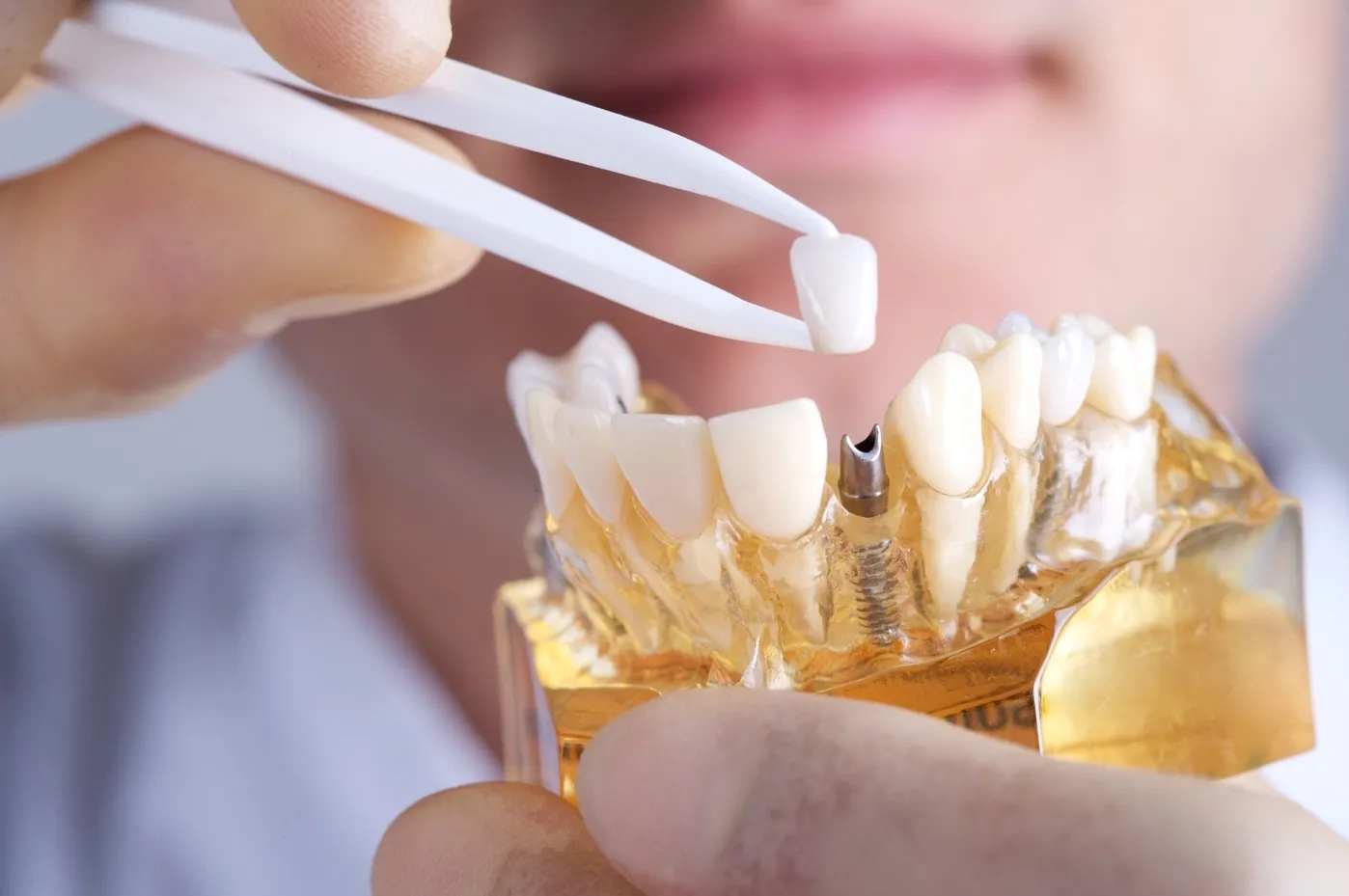
A dental implant is a small post that is placed in the jawbone to serve as an artificial tooth root. Once the implant has healed and bonded with the surrounding bone, it can support a dental restoration such as a crown, bridge, or denture. The visible restoration is the part that looks like a tooth, while the implant itself provides support beneath the gumline.
This structure is one reason implants are different from many other tooth replacement options. Instead of resting on top of the gums or relying only on neighboring teeth for support, implants are anchored in the jaw. This can provide a stable foundation for replacing missing teeth.
Dental implants may be used in several ways. A single implant can replace one missing tooth. Multiple implants can support a bridge for several missing teeth. For patients missing most or all teeth in an arch, implant-supported dentures or full-arch options may be considered depending on oral health, bone support, and treatment goals.
Why Patients Consider Dental Implants
Many patients begin exploring dental implants because they want a tooth replacement option that feels secure. Missing teeth can make it difficult to chew certain foods, and removable dentures may not feel stable for every patient. Implants can help restore function by giving the replacement tooth or teeth a stronger foundation.
Appearance is another major reason patients ask about dental implants. When restored with a custom crown, bridge, or denture, implants can blend naturally with the smile. This can be especially important for patients missing teeth in visible areas.
Dental implants may also help preserve jawbone stimulation in the area where teeth are missing. When a tooth is lost, the bone that once supported it may gradually change over time. Because implants are placed in the jawbone, they can help provide stimulation in a way that traditional removable options do not. Your dentist can explain how this applies to your specific situation.
Who May Be a Candidate for Dental Implants?
Dental implant candidacy depends on several factors. A good candidate generally needs healthy gums, adequate bone support, and overall oral health that can support healing. The dentist will also consider medical history, medications, habits such as smoking, and whether any active dental concerns need to be treated first.
Patients with gum disease, untreated tooth decay, infections, or significant bone loss may still have options, but they may need additional care before implants can be placed. In some cases, bone grafting or periodontal treatment may be recommended to create a healthier foundation.
Candidacy is not something patients should try to determine on their own. A consultation, exam, and imaging are needed to understand the condition of the teeth, gums, jawbone, and bite. At Dental Design Studios, patients can learn more about dental implants and whether implant treatment may fit their needs through a personalized evaluation.
What Happens During a Dental Implant Consultation?
A dental implant consultation usually begins with a conversation about your goals, concerns, health history, and current dental condition. Your dentist will want to know whether you are missing one tooth, several teeth, or a full arch, as well as how long the teeth have been missing.
The exam may include evaluating your gums, existing teeth, bite, and jaw. Dental X-rays or advanced imaging may be recommended to assess bone structure and identify important anatomical details. Digital technology can be especially helpful for implant planning because it gives the dental team a clearer view of the areas that are not visible during a standard exam.
This appointment is also your opportunity to ask questions. You may want to ask about the number of appointments involved, the type of restoration recommended, whether any preliminary treatment is needed, and what the general timeline may look like. Every implant case is different, so the answers should be based on your specific oral health and treatment plan.
The Dental Implant Process
The dental implant process can vary depending on the number of teeth being replaced, the condition of the jawbone, and whether any additional procedures are needed. In many cases, treatment happens in phases.
First, the implant is placed into the jawbone. After placement, the area needs time to heal. During this healing period, the implant gradually bonds with the surrounding bone in a process called osseointegration. This step is important because it helps create the stable foundation implants are known for.
Once healing has progressed enough, the dentist can attach a connector piece and the final restoration. For a single missing tooth, this is often a dental crown. For multiple missing teeth, it may be a bridge or denture supported by implants. Your dentist will explain the steps involved and what to expect based on your treatment plan.
Are Same-Day Dental Implants Always Possible?
Some patients are interested in same-day implant options because they want to restore their smile as efficiently as possible. Dental Design Studios provides same-day dentistry for certain procedures, and some implant procedures may qualify depending on the patient’s oral health, treatment complexity, and clinical needs.
However, same-day implants are not appropriate for every patient. Factors such as bone density, gum health, infection, tooth extraction needs, bite pressure, and the number of teeth being replaced can all affect timing. In some cases, placing an implant and a temporary restoration sooner may be possible. In other cases, a staged approach may be safer and more predictable.
The most accurate way to understand your options is to schedule an evaluation. Your dental team can review your health, imaging, and goals before recommending whether a same-day or staged implant approach may be appropriate.
Dental Implants for One Missing Tooth
When one tooth is missing, a single dental implant may be used to support an individual crown. This option replaces the missing tooth without using a removable appliance. It also avoids relying on the neighboring teeth for support in the same way a traditional bridge may.
A single implant can be especially helpful when the surrounding teeth are healthy and do not need crowns. Once restored, the implant-supported crown is designed to blend with the surrounding smile and support normal chewing function.
That said, a single implant still requires planning. The dentist must evaluate bone support, spacing, gum tissue, bite forces, and the position of the surrounding teeth. If the missing tooth has been gone for a long time, the area may have changed, which can affect the treatment approach.
Dental Implants for Multiple Missing Teeth
Patients missing several teeth may have different options depending on where the teeth are missing and how many need to be replaced. In some cases, two or more implants can support a dental bridge. This can replace multiple teeth without requiring one implant for every missing tooth.
Implant-supported bridges can provide more stability than some removable options. They may also help restore chewing ability in areas where several teeth have been lost. The exact design depends on the location of the missing teeth, the strength of the surrounding bone, and the overall bite.
For patients missing many teeth, implant-supported dentures may also be considered. These restorations can provide more support than traditional removable dentures, although the right approach depends on the patient’s anatomy, preferences, and oral health.
Full-Arch Options and All-on-X Dental Implants
Patients who are missing most or all teeth in the upper or lower arch may be candidates for full-arch implant treatment. One option that may be discussed is All-on-X dental implants, which use a set number of strategically placed implants to support a full-arch restoration.
Full-arch implant treatment can be life-changing for the right patient, but it is also a more complex treatment path than replacing a single tooth. The dentist must evaluate bone support, bite function, gum health, existing teeth, facial structure, and long-term maintenance needs.
Not every patient will qualify for the same full-arch approach. Some may need extractions, bone grafting, periodontal treatment, or a different restorative plan. A detailed consultation is the best way to determine whether All-on-X or another full-arch solution may be appropriate.
Dental Implants Compared With Bridges and Dentures
Dental implants are not the only way to replace missing teeth. Dental bridges and dentures may also be effective options depending on the situation. The best choice depends on the number of missing teeth, location of the gap, oral health, budget considerations, treatment goals, and personal preferences.
A dental bridge can replace one or more missing teeth by using neighboring teeth or implants for support. Bridges may be a good option when adjacent teeth already need crowns or when implant placement is not the preferred path.
Dentures can replace several teeth or a full arch of missing teeth. They may be removable or supported by implants. Traditional dentures can restore appearance and basic function, while implant-supported options can provide added stability. Your dentist can explain the advantages and limitations of each option based on your needs.
What Can Affect Dental Implant Success?
Dental implant treatment depends on healthy support from the gums, bone, and surrounding oral structures. Several factors can affect healing and long-term stability, including gum disease, smoking, uncontrolled medical conditions, certain medications, poor oral hygiene, and bite stress from clenching or grinding.
Good home care is important after implant treatment. Although implants cannot get cavities, the gums and bone around them still need to stay healthy. Brushing, flossing, regular dental cleanings, and ongoing monitoring all play a role in protecting the implant and restoration.
Patients who grind their teeth may need additional protection, such as a night guard, if recommended. Routine dental visits allow the dental team to check the implant, restoration, gum tissue, and bite so concerns can be addressed early.
Questions To Ask Before Choosing Dental Implants
If you are considering dental implants, it helps to arrive at your consultation with questions. This can make the appointment more productive and help you better understand your options.
Helpful questions may include:
- Am I a candidate for dental implants?
- Do I have enough bone support for implant treatment?
- Will I need any treatment before implants can be placed?
- How many appointments may be involved?
- What type of restoration would be used?
- Are there alternatives I should consider?
- How will I care for the implant after treatment?
A strong treatment plan should be personalized. The right recommendation for one patient may not be right for another, even if both patients are missing teeth.
Dental Implants in the Greater Phoenix Area
Dental implants can be an excellent option for many patients who want to replace missing teeth, restore chewing function, and feel more confident in their smiles. However, the decision should be based on a complete evaluation, not assumptions. Your oral health, bone support, gum health, medical history, and goals all matter.
Dental Design Studios offers dental implant consultations and restorative treatment options for patients throughout the Greater Phoenix area. If you are missing one tooth, several teeth, or a full arch, our team can help you understand your options and determine which approach may be right for your smile.
To take the next step, contact your local Dental Design Studios office to schedule a consultation and learn more about dental implants.
Dental Care Across the Greater Phoenix Area
Dental Design Studios has nine convenient dental office locations throughout the Greater Phoenix area, making it easier for patients to access quality dental care close to home. Our offices serve patients in Avondale, Chandler, Glendale, Phoenix, Peoria, Gilbert, Scottsdale, and nearby communities.
Find a Dental Design Studios location near you:
- Apple Tree Dental Studio in Avondale
- Arizona Family Dental in Chandler
- 75th Ave Dental Studio in Glendale
- Happy Valley Dental Studio in Phoenix
- Hatcher Dental Studio in Phoenix
- Smile Dental Studio in Phoenix
- Thunderbird Dental Studio in Peoria
- Dental Design Studio in Gilbert
- Scottsdale Dental Studio in Scottsdale