What Is an Oral Cancer Screening?
An oral cancer screening is a visual and physical exam of the mouth and surrounding tissues. The goal is to look for changes that may need monitoring, follow-up, or referral for additional evaluation.
During a screening, we may check:
- Lips
- Gums
- Tongue
- Floor of the mouth
- Roof of the mouth
- Inside of the cheeks
- Back of the throat
- Jaw and neck area
- Areas around existing dental work
- Sores, patches, lumps, or texture changes
An oral cancer screening does not diagnose cancer by itself. It helps identify changes that should be watched or evaluated further.
Why Oral Cancer Screenings Matter
Oral cancer can sometimes develop without pain in the early stages. Some patients may notice a sore or patch and assume it will go away on its own. Others may not see the area at all, especially if it is on the side of the tongue, floor of the mouth, or back of the throat.
Regular screenings give your dental team a chance to look for changes during routine visits. Early evaluation matters because suspicious tissue changes are often easier to address when they are found sooner.
A screening can also help identify non-cancerous concerns, such as irritation from dental appliances, cheek biting, infection, inflammation, or trauma.
Signs That Should Be Checked
Not every sore or spot is serious, but changes that last longer than expected should be evaluated. Call our Chandler dental office if you notice something unusual in your mouth and it does not improve.
Signs to watch for include:
- A sore that does not heal
- Red or white patches
- A lump or thickened area
- Unexplained bleeding
- Numbness in the mouth or lips
- Pain or tenderness that does not go away
- Difficulty chewing or swallowing
- A persistent sore throat
- Hoarseness or voice changes
- A change in how dentures fit
- A rough or irritated area that keeps returning
- Pain in the tongue, jaw, or ear without a clear cause
Many of these symptoms can have causes unrelated to oral cancer, but they still deserve attention.
Who Should Have Oral Cancer Screenings?
Oral cancer screenings are recommended as part of routine dental care for adults, and they may also be performed when a patient has symptoms or visible tissue changes. Some patients may need closer monitoring based on their risk factors or health history.
You may benefit from regular oral cancer screenings if you:
- Use tobacco products
- Drink alcohol frequently
- Have a history of oral cancer
- Have HPV-related risk factors
- Spend a lot of time in the sun, especially with lip exposure
- Have persistent mouth sores
- Wear dentures or appliances that irritate the tissues
- Have unexplained patches, lumps, or swelling
- Have not had a dental exam in a long time
Even patients without obvious risk factors can develop tissue changes, which is why screenings are part of preventive care.
What Happens During an Oral Cancer Screening?
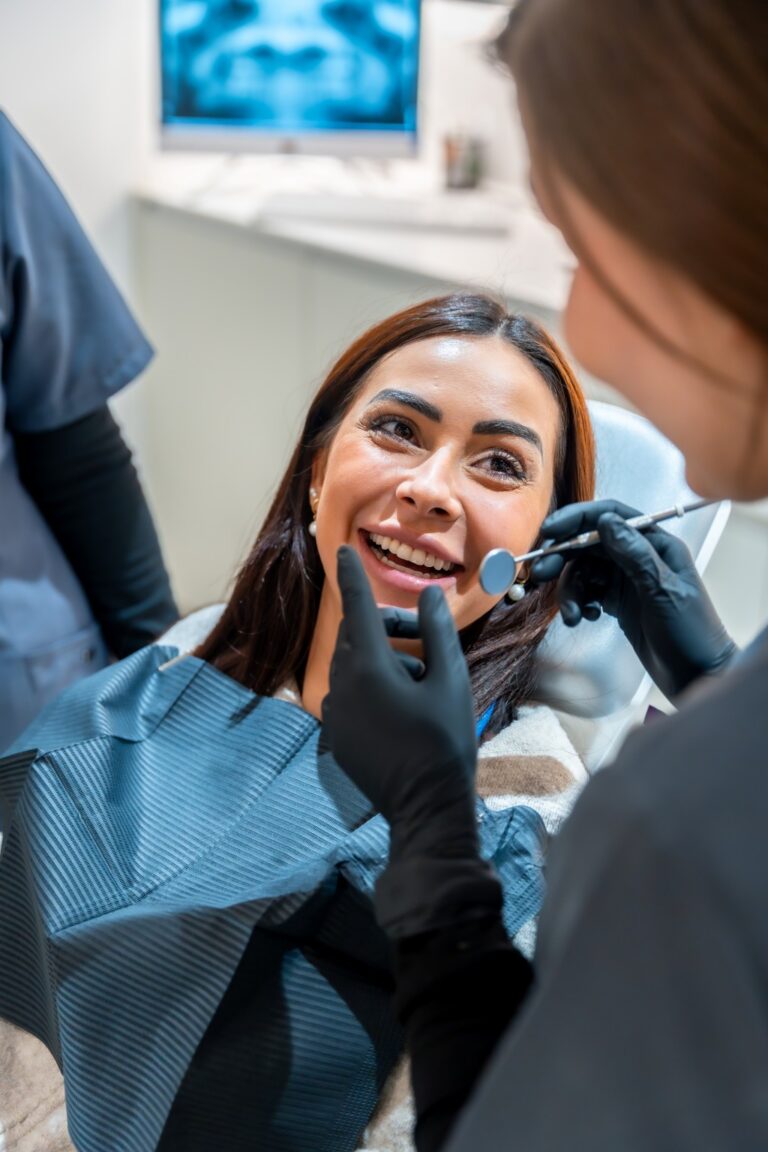
An oral cancer screening is usually quick and comfortable. It can often be completed during a routine dental checkup or cleaning appointment.
During the screening, our team may:
- Ask About Symptoms
We may ask about sores, pain, swelling, swallowing difficulty, tobacco use, alcohol use, or changes you have noticed.
- Look Inside the Mouth
We examine the lips, cheeks, gums, tongue, floor of the mouth, palate, and throat area.
- Check the Tongue and Soft Tissues
We may ask you to move your tongue so we can see the sides and underside more clearly.
- Feel for Lumps or Tender Areas
We may gently feel areas around the jaw, neck, or mouth to check for swelling or unusual firmness.
- Discuss Findings
If something looks unusual, we will explain what we see and recommend monitoring, follow-up, or referral when appropriate.
The screening does not usually require numbing, drilling, or invasive treatment.
What If Something Looks Unusual?
Finding an unusual area does not mean you have oral cancer. Many mouth changes are caused by irritation, trauma, infection, canker sores, cheek biting, burns, appliances, or other non-cancerous conditions.
If we notice something that needs attention, we may recommend:
- Monitoring the area for changes
- A follow-up visit to recheck the tissue
- Smoothing a rough filling or appliance edge
- Treating irritation or infection
- Referring you to a specialist for further evaluation
- A biopsy if the area needs more detailed testing
Our team will explain the concern clearly and help you understand the next step.
Oral Cancer Screening During Routine Dental Exams
Oral cancer screening is often included as part of a regular dental exam. While cleanings focus on plaque, tartar, and gum health, the examination also gives us a chance to look at the soft tissues of the mouth.
A routine dental exam may include:
- Cavity checks
- Gum health evaluation
- X-rays when needed
- Review of existing dental work
- Bite and jaw assessment
- Oral cancer screening
- Discussion of symptoms or concerns
- Preventive care recommendations
Keeping up with routine exams helps us monitor changes over time. If something looks different from one visit to the next, we can address it sooner.
Oral Cancer Risk Factors
Some factors may increase the risk of developing oral cancer. Having a risk factor does not mean a patient will develop cancer, and some patients diagnosed with oral cancer have no obvious risk factors.
Common risk factors may include:
- Tobacco use, including cigarettes, cigars, pipes, chewing tobacco, and vaping
- Frequent or heavy alcohol use
- HPV infection
- A history of oral cancer
- Excessive sun exposure to the lips
- Weakened immune system
- Poor oral health
- Long-term irritation in the mouth
During your visit, we may ask about your health history and habits so we can better understand your risk level and screening needs.
Tobacco Use and Oral Cancer Screening
Tobacco can affect the lips, gums, cheeks, tongue, throat, and other oral tissues. Patients who smoke, vape, or use chewing tobacco may benefit from regular oral cancer screenings and more careful monitoring of tissue changes.
Tobacco-related changes may appear as:
- White patches
- Red patches
- Thickened tissue
- Gum irritation
- Sores that heal slowly
- Changes in the lips or cheeks
- Persistent bad breath
- Increased gum problems
If you use tobacco, our team can check for changes and discuss steps that may help protect your oral and overall health.
HPV and Oral Cancer Screening
HPV has been linked to some cancers of the mouth and throat. These cancers can sometimes develop in areas that are difficult to see, such as the back of the tongue, tonsil area, or throat.
This is one reason routine dental exams are important. During screenings, we look at visible tissues and ask about symptoms that may suggest a need for further evaluation.
Symptoms that should be checked include persistent sore throat, difficulty swallowing, unexplained hoarseness, a lump in the neck, or pain that does not resolve.
Lip and Sun Exposure Concerns
The lips are also part of an oral cancer screening. Patients who spend a lot of time outdoors may have more sun exposure on the lower lip, which can contribute to tissue changes over time.
During a screening, we may look for:
- Persistent dry or scaly patches
- Sores on the lip that do not heal
- Color changes
- Thickened areas
- Bleeding or crusting
- Rough texture that keeps returning
Using lip balm with SPF and checking for changes can help protect the lips between dental visits.
Oral Cancer Screening for Denture Wearers
Dentures and partial dentures can sometimes rub against the gums, cheeks, or palate. Most irritation is not cancerous, but sore spots that do not heal should be checked.
Denture wearers should schedule a dental visit if they notice:
- A sore under the denture
- Red or irritated gum tissue
- A lump or raised area
- Dentures that suddenly feel different
- Bleeding under the appliance
- Persistent discomfort
- A change in bite or fit
At Arizona Family Dental, we can check both the tissues and the fit of your denture or partial to see if adjustments are needed.
A Comfortable Screening for Patients With Dental Anxiety
Some patients avoid dental visits because they worry about discomfort, judgment, or bad news. An oral cancer screening is typically simple and non-invasive, but we understand that any dental appointment can feel stressful for someone with anxiety.
Our team will explain what we are checking and give you time to ask questions. If it has been a while since your last dental visit, we will help you start with a clear exam and practical next steps.
You do not need to wait for pain to schedule a visit. Preventive care is often the easiest place to restart.
Oral Cancer Screenings Near Downtown Chandler
Arizona Family Dental is located on Alma School Road in Chandler, making our office convenient for patients throughout the area.
We see patients from:
- Alma School Place
- Andersen Springs
- Downtown Chandler
- San Marcos
- Warner Ranch
- Dobson Ranch
- Chandler Fashion Center area
- Espee Park area
- Mesa Community College area
- Banner Desert Medical Center area
- US-60/Alma School interchange
- Loop 101/Warner Road area
If you are searching for an oral cancer screening near Downtown Chandler, a dental exam near Alma School Road, or preventive dental care near Chandler Fashion Center, our team can help you schedule a visit.
Payment Options for Preventive Dental Care
Arizona Family Dental offers payment options to help patients stay consistent with preventive care. Qualified patients may be eligible for 0% interest financing through partners such as Sunbit and CareCredit. We also accept most major credit cards.
If additional evaluation or treatment is recommended after your screening, our team can review estimated costs and payment options before you move forward.
Schedule an Oral Cancer Screening in Chandler, AZ
An oral cancer screening is a simple but important part of maintaining your oral health. If you have noticed a sore, patch, lump, or tissue change, or you are due for a routine dental exam, Arizona Family Dental can help.
Call 480-782-5477 to schedule an oral cancer screening in Chandler, AZ.