
Healthy smiles start earlier than many parents realize. Even before a child has all of their baby teeth, dental care plays an important role in preventing cavities, building good habits, and helping children feel comfortable at the dentist. For families, knowing when to schedule that first visit can make the process feel much easier.
Children’s dental care is about more than checking for cavities. Early dental visits help parents understand brushing, flossing, diet, thumb-sucking, pacifier habits, fluoride, sealants, and what to expect as a child’s smile grows. They also give children a chance to become familiar with the dental office before an urgent problem develops.
For families in the Greater Phoenix area, routine dental visits can help children build confidence and develop healthy habits that last into adulthood. At Dental Design Studios, our team provides family-focused dental care for children, teens, and adults, helping each patient get care that fits their age, comfort level, and oral health needs.
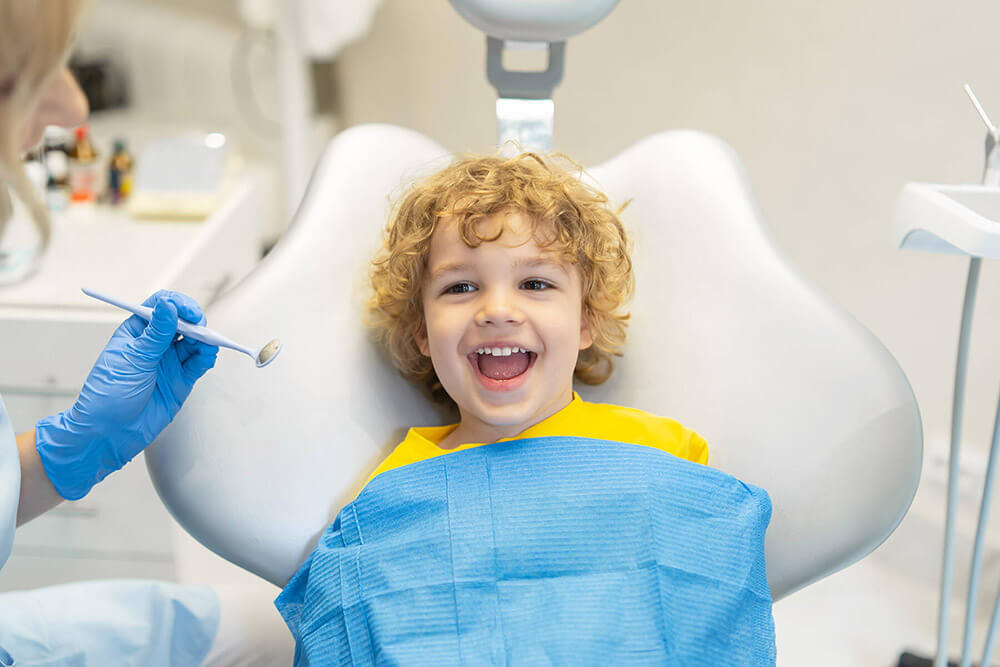
When Should a Child First See the Dentist?
A child should generally see the dentist when their first tooth appears or by their first birthday, whichever comes first. This may seem early, especially if a baby only has one or two teeth, but early visits are designed to be simple, educational, and preventive.
Baby teeth can develop cavities soon after they erupt. Early dental visits help parents understand how to clean new teeth, what to watch for, and how feeding or bedtime habits can affect oral health. The dentist can also check that teeth and gums are developing as expected.
The first visit is not usually about major treatment. It is often about helping parents feel informed and helping the child begin to see the dental office as a normal, safe place. Starting early can make future appointments feel more familiar.
Why Baby Teeth Matter
Some parents wonder why baby teeth need so much attention if they eventually fall out. Baby teeth may be temporary, but they have important jobs. They help children chew, speak, smile, and hold space for permanent teeth.
When baby teeth develop cavities or infection, children may experience pain, trouble eating, difficulty sleeping, or problems concentrating. Dental problems in baby teeth can also affect the health of surrounding teeth and gums.
Protecting baby teeth helps support a child’s overall comfort and development. Regular dental visits allow the dental team to monitor changes and help parents prevent small concerns from becoming bigger problems.
What Happens During a Child’s First Dental Visit?
A child’s first dental visit is usually gentle and simple. The dental team may review the child’s health history, ask about feeding and brushing habits, and examine the teeth, gums, jaw, and bite. For very young children, the exam may be brief.
The dentist may discuss how to clean the child’s teeth, what type of toothbrush to use, how much toothpaste is appropriate, and how often brushing should happen. Parents can also ask questions about teething, pacifiers, thumb-sucking, snacks, drinks, or tooth development.
The goal is to create a positive first experience. A successful first visit may be as simple as helping the child sit in the chair, meet the team, and let the dentist take a quick look. Building trust matters, especially for young children.
How Often Should Kids Visit the Dentist?
Many children benefit from dental visits every six months, though some may need a different schedule based on their oral health. Children with a higher risk of cavities, dental anxiety, orthodontic concerns, or gum inflammation may need more frequent monitoring.
Routine visits help remove plaque and tartar, check for cavities, monitor tooth eruption, and give parents updated guidance as the child grows. These appointments also allow the dentist to catch changes early.
Children’s dental needs can change quickly. A toddler, a school-age child, and a teenager all have different oral health risks. Regular visits help the dental team adjust recommendations based on the child’s age, habits, and development.
Building Good Brushing and Flossing Habits
Daily home care is one of the most important parts of children’s dental health. Young children need help brushing because they do not yet have the coordination to clean thoroughly on their own. Even when children want to brush independently, parents often need to supervise and help.
Brushing twice a day is a strong foundation. Once teeth begin touching, flossing becomes important because a toothbrush cannot fully clean between the teeth. The dental team can show parents and children how to floss in a way that feels manageable.
Good habits are easier to build when they become part of a routine. Brushing after breakfast and before bed, using a timer, or brushing together as a family can help children stay consistent.
How Food and Drinks Affect Children’s Teeth
Diet plays a major role in children’s oral health. Frequent snacking, sugary drinks, sticky foods, and sipping juice or sports drinks throughout the day can increase the risk of cavities. It is not only what children eat, but how often their teeth are exposed to sugar and acids.
Water is usually the best everyday drink for teeth. Limiting sugary beverages and encouraging balanced meals can help protect enamel. Snacks such as cheese, yogurt, vegetables, nuts for children old enough to chew them safely, and fresh fruit may be better choices than sticky candy or frequent processed snacks.
Parents do not have to make every choice perfect. The goal is to understand how habits affect the smile and make realistic improvements over time. A dental visit is a great time to ask which changes may matter most for your child.
Fluoride and Children’s Dental Care
Fluoride can help strengthen enamel and reduce the risk of cavities. Depending on the child’s age, cavity risk, and oral health needs, the dentist may discuss fluoride toothpaste, fluoride varnish, or other preventive recommendations.
Parents often have questions about how much toothpaste to use. The answer depends on the child’s age and ability to spit. Your dental team can provide age-appropriate guidance so brushing is both safe and effective.
Fluoride recommendations should be personalized. If a child has frequent cavities, sensitivity, enamel concerns, or other risk factors, the dentist may recommend additional preventive support.
Dental Sealants for Kids
Dental sealants are another preventive option that may be recommended for children. A sealant is a thin protective coating placed on the chewing surfaces of the back teeth. These grooves can be difficult for children to clean well, especially when permanent molars first come in.
Sealants help create a barrier that reduces the chance of food and bacteria settling into deep grooves. They are commonly recommended for permanent molars, though the dentist will determine whether sealants are appropriate based on the child’s teeth and cavity risk.
Dental Design Studios provides dental sealants as part of preventive dental care for children and families.
Helping Children Feel Comfortable at the Dentist
A child’s attitude toward dental care can be shaped by early experiences. Parents can help by speaking about dental visits in a calm, positive way. Instead of focusing on fear, shots, or pain, describe the dentist as someone who helps keep teeth healthy.
It can also help to schedule appointments at a time of day when the child is usually rested and cooperative. Bringing a favorite comfort item may help younger children feel more at ease.
If a child feels nervous, let the dental team know. Dental anxiety is common, and a patient-focused approach can help children move at their own pace. Dental Design Studios also provides guidance for patients with dental anxiety and can help families talk through concerns before an appointment.
Dental Care for School-Age Children
As children get older, dental visits continue to be important. School-age children may be more independent with brushing, but they still need guidance. This is also when permanent teeth begin to erupt, which makes monitoring even more important.
The dentist will check for cavities, bite development, spacing, crowding, and how well the child is cleaning at home. If the child plays sports, a mouth guard may be recommended to help protect the teeth.
School-age children may also benefit from conversations about snacks, water, brushing technique, and flossing. These years are a great time to build habits that will support oral health through adolescence.
Dental Care for Teens
Teenagers have their own dental needs. Busy schedules, orthodontic treatment, sports, sugary drinks, inconsistent brushing, and wisdom teeth development can all affect oral health. Teens may also become more interested in how their smiles look.
Routine exams allow the dentist to monitor cavities, gum health, tooth alignment, wisdom teeth, and signs of enamel wear. Teens with braces, clear braces, or aligners may need extra support keeping teeth clean during treatment.
Dental visits also give teens a chance to take more responsibility for their own oral health. When they understand the connection between daily habits and long-term results, they may be more motivated to care for their smiles.
When To Call the Dentist Between Visits
Parents should call the dentist if a child has tooth pain, swelling, a broken tooth, bleeding that does not stop, a loose permanent tooth, or signs of infection. Dental injuries should also be evaluated promptly, especially if a tooth is knocked out, cracked, or moved out of position.
Sensitivity, bad breath, bleeding gums, or complaints about chewing may also be worth discussing. Children do not always describe dental symptoms clearly, so changes in eating, sleeping, mood, or brushing habits can be important clues.
If you are unsure whether something is urgent, call the office for guidance. It is better to ask early than to wait until the problem becomes more uncomfortable.
How Family Dentistry Supports Children and Parents
Family dental care can make life easier for busy households. When parents and children can receive care through the same dental group, scheduling may be more convenient and the dental team can get to know the family’s needs over time.
Family dentistry also helps children see dental care as a normal part of health. When children watch parents schedule cleanings, ask questions, and take care of their teeth, they are more likely to understand the importance of their own routine.
Dental Design Studios provides dental cleanings and examinations for patients of different ages, helping families throughout the Greater Phoenix area stay on track with preventive care.
Children’s Dental Care in the Greater Phoenix Area
Children’s dental care starts early and continues through every stage of growth. From the first tooth to the teenage years, routine dental visits help protect baby teeth, monitor permanent teeth, prevent cavities, and build confidence in the dental chair.
Whether your child is ready for a first dental visit, due for a cleaning, or experiencing a dental concern, Dental Design Studios can help your family understand the next step. Our team provides family-focused dental care for children, teens, and adults throughout the Greater Phoenix area.
To schedule an appointment for your child, contact your local Dental Design Studios office today.
Dental Care Across the Greater Phoenix Area
Dental Design Studios has nine convenient dental office locations throughout the Greater Phoenix area, making it easier for patients to access quality dental care close to home. Our offices serve patients in Avondale, Chandler, Glendale, Phoenix, Peoria, Gilbert, Scottsdale, and nearby communities.
Find a Dental Design Studios location near you:
- Apple Tree Dental Studio in Avondale
- Arizona Family Dental in Chandler
- 75th Ave Dental Studio in Glendale
- Happy Valley Dental Studio in Phoenix
- Hatcher Dental Studio in Phoenix
- Smile Dental Studio in Phoenix
- Thunderbird Dental Studio in Peoria
- Dental Design Studio in Gilbert
- Scottsdale Dental Studio in Scottsdale