
When a tooth is damaged, decayed, worn, or weakened, the right treatment depends on how much healthy tooth structure remains and what the tooth needs to function properly again. Two of the most common restorative dentistry options are dental fillings and dental crowns. Both can help repair teeth, but they are used in different situations.
For patients comparing dental crowns vs. fillings, the difference usually comes down to the size, depth, and location of the problem. A filling may be enough when the affected area is smaller and the tooth still has strong support. A crown may be recommended when the tooth needs more complete coverage, strength, or protection.
If you are dealing with a cavity, cracked tooth, worn tooth, older filling, or dental sensitivity, understanding these options can help you feel more prepared for your appointment. At Dental Design Studios, our team helps patients throughout the Greater Phoenix area understand their restorative treatment options and choose care based on their oral health, goals, and long-term function.
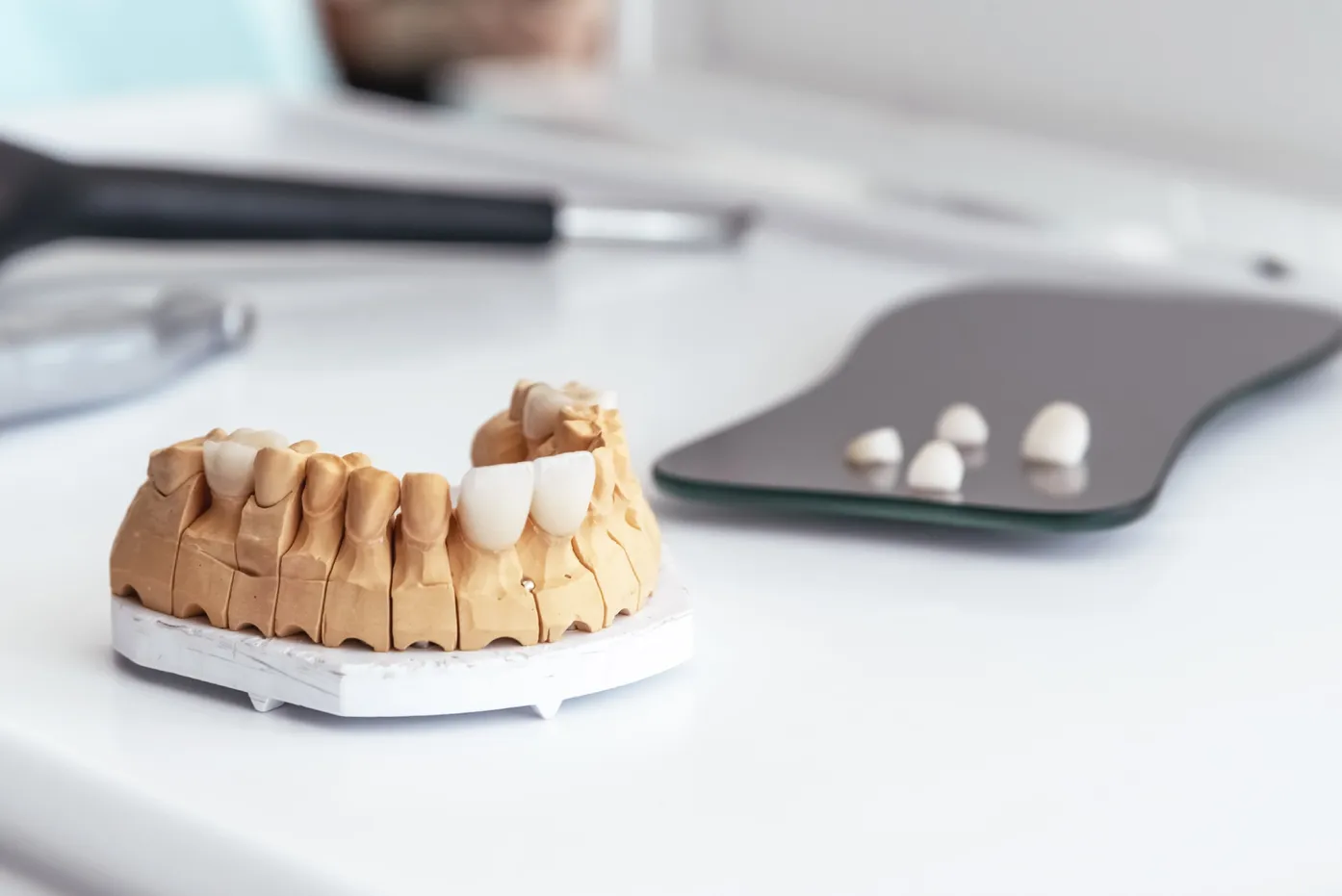
What Is a Dental Filling?
A dental filling is used to repair a smaller area of damage or decay in a tooth. When a cavity forms, the dentist removes the decayed portion of the tooth and fills the cleaned area with a restorative material. The goal is to restore the tooth’s shape, protect it from further decay, and allow the patient to chew comfortably again.
Fillings are commonly used for small to moderate cavities, minor chips, and areas where tooth structure is still strong enough to support the restoration. They are often a conservative option because they usually preserve more of the natural tooth than a crown.
Dental Design Studios provides composite fillings for patients who need tooth-colored restorations. Composite material can be shaded to blend with the surrounding tooth, making it a common choice for visible areas of the smile. The best material for a filling depends on the tooth’s location, the size of the repair, and the patient’s individual needs.
What Is a Dental Crown?
A dental crown is a custom restoration that covers the visible portion of a tooth. It is often recommended when a tooth needs more support than a filling can provide. Crowns can restore shape, strength, appearance, and function when a tooth has been significantly weakened or damaged.
Crowns may be used for teeth with large cavities, deep cracks, extensive wear, older failing restorations, or after root canal therapy. They may also be used to restore a dental implant or improve the appearance of a tooth that is severely discolored or misshapen.
Unlike a filling, which repairs one portion of the tooth, a crown surrounds and protects the tooth more completely. Dental Design Studios offers dental crowns as part of its restorative dentistry services for patients who need durable support for damaged or weakened teeth.
The Main Difference Between a Crown and a Filling
The biggest difference between a crown and a filling is the amount of tooth coverage. A filling repairs a specific area of the tooth. A crown covers the tooth more fully and is designed to protect the remaining structure.
A filling is usually appropriate when the tooth has enough healthy enamel and dentin to stay strong after the damaged or decayed portion is removed. If the filling would be too large, the tooth may not have enough structure left to handle normal chewing pressure. In that situation, a crown may be the better option.
Another difference is how each restoration handles force. Back teeth absorb significant pressure when chewing. If a molar has a large cavity, crack, or older filling that takes up much of the tooth, placing another filling may not provide enough long-term support. A crown may help distribute chewing forces more evenly across the tooth.
When a Dental Filling May Be Recommended
A dental filling may be recommended when tooth decay or damage is limited to a smaller area. During the exam, the dentist evaluates how much tooth structure is affected and determines whether the remaining tooth is strong enough to support a filling.
Fillings are often used for cavities found during routine dental exams. This is one reason preventive visits are so important. When decay is caught early, treatment may be simpler and more conservative. Waiting until a cavity becomes painful can sometimes mean the damage has reached deeper layers of the tooth.
A filling may also be used to repair a small chip or worn area, depending on the location and amount of stress the tooth receives. If the tooth is otherwise healthy, a filling can restore its shape and help prevent bacteria from entering the damaged area.
When a Dental Crown May Be Recommended
A dental crown may be recommended when the tooth needs more protection than a filling can offer. This often happens when a cavity is large, a tooth has fractured, or an older filling has weakened the surrounding structure.
Crowns are also common after root canal therapy. When the inside of a tooth has been treated, the remaining tooth may need added support to function safely. A crown can help protect the tooth from cracking or breaking during daily use.
Teeth with extensive wear from grinding or clenching may also need crowns if the structure has become too compromised. In these cases, the dentist may also discuss ways to protect the restorations and reduce additional stress, such as a night guard if appropriate.
Why Bigger Fillings Are Not Always Better
Patients sometimes wonder why a dentist cannot simply place a larger filling instead of recommending a crown. In some cases, a larger filling may work. In other cases, it can leave the tooth more vulnerable.
A filling depends on the surrounding tooth structure for support. If too much of the natural tooth is missing, the filling may not have enough stable structure around it. This can increase the risk of cracking, breaking, sensitivity, or needing additional treatment later.
A crown may be recommended because it gives the tooth more complete coverage. This does not mean every large filling needs to be replaced with a crown right away. It means the dentist must consider how the tooth will hold up under real chewing pressure, not just how it looks during the appointment.
How Your Dentist Decides Between a Crown and a Filling
The decision between a crown and a filling starts with a dental exam. Your dentist will look at the tooth, check for decay or cracks, evaluate existing restorations, and ask about symptoms such as sensitivity, pain when biting, or discomfort with temperature changes.
Dental X-rays may be recommended to see areas that are not visible during the visual exam. X-rays can help show the depth of decay, the condition of the tooth roots, and whether there are concerns beneath existing dental work.
The dentist also considers the tooth’s location. A small cavity on a front tooth may be treated differently than a large cavity on a molar. Back teeth handle stronger chewing forces, so strength and long-term support are especially important when choosing the right restoration.
Symptoms That May Point to a Restorative Issue
Not every damaged tooth hurts right away. Some cavities and cracks develop quietly until they become more serious. Regular dental visits help catch these problems early, but symptoms can also give patients important clues.
Common signs that a tooth may need restorative care include sensitivity to hot or cold, pain when biting, food getting stuck in one area, a rough or sharp edge, a visible hole, dark spots on the tooth, a loose filling, or a cracked restoration.
Pain that lingers after temperature changes, swelling near the gums, or severe toothache may point to a deeper issue. In those cases, the tooth may need more than a basic filling or crown. Your dentist may need to evaluate whether root canal therapy, periodontal care, extraction, or another treatment is needed.
What To Expect With a Dental Filling
A dental filling appointment is usually focused on cleaning and restoring the affected area. The dentist removes decay or damaged material, prepares the tooth, places the filling material, shapes it, and checks the bite.
After the filling is placed, the dentist makes sure it feels comfortable when you close your teeth together. Even a small high spot can make the tooth feel sore when chewing, so bite adjustments are an important part of the process.
Some sensitivity after a filling can happen, especially if the cavity was deeper. This should be monitored. If sensitivity worsens, lasts longer than expected, or turns into pain, the dentist should evaluate the tooth again.
What To Expect With a Dental Crown
A dental crown usually requires more preparation than a filling. The dentist reshapes the tooth so the crown can fit properly, takes digital scans or impressions, and places a temporary or final restoration depending on the technology and treatment plan.
Dental Design Studios provides same-day dentistry for certain procedures, including some crowns, depending on the patient’s oral health and treatment complexity. Same-day options are not appropriate for every tooth or every situation, but they may be available for certain crown cases after evaluation.
Once the final crown is placed, the dentist checks the fit, bite, and appearance. A well-fitting crown should feel stable and comfortable. Patients should continue brushing, flossing, and attending routine dental visits to help protect both the crown and the surrounding gum tissue.
How Long Do Crowns and Fillings Last?
The lifespan of a crown or filling depends on several factors, including the size of the restoration, the material used, oral hygiene habits, bite forces, diet, grinding or clenching, and regular dental care. No restoration lasts forever, but good maintenance can help protect your investment in your oral health.
Fillings may need replacement if they crack, wear down, leak, or develop decay around the edges. Crowns may also need replacement over time if they become loose, damaged, worn, or if the tooth underneath develops a problem.
Routine exams allow your dentist to monitor restorations before they fail. If an older filling or crown is showing signs of wear, catching it early may help prevent a more urgent issue later.
Can a Filling Become a Crown Later?
Yes, a tooth that receives a filling may need a crown later if the tooth becomes more damaged, the filling wears out, or decay develops around the restoration. This is common because teeth change over time.
For example, a small filling placed years ago may become larger after repeated repairs. At some point, there may not be enough natural tooth left to support another filling. In that case, a crown may be recommended to provide better coverage and support.
This does not mean the original filling was the wrong choice. Dentistry often focuses on preserving as much healthy tooth structure as possible while choosing the treatment that fits the current condition of the tooth.
How To Protect Your Restorations
Caring for crowns and fillings starts with consistent home care. Brush twice a day, floss daily, and pay attention to areas where food tends to collect. Even though crowns and fillings restore damaged teeth, the natural tooth structure around them still needs protection.
Avoid chewing ice, hard candy, pens, or other objects that can crack teeth or restorations. If you grind or clench your teeth, ask your dentist whether a night guard may be helpful. Bite stress can shorten the lifespan of restorations and contribute to cracks or wear.
Routine cleanings and exams are also important. Professional cleanings remove buildup around restorations, while exams help your dentist check for early signs of damage, decay, or bite changes.
Choosing the Right Restorative Treatment in the Greater Phoenix Area
Dental crowns and fillings both play an important role in restoring damaged teeth. A filling may be the right choice for smaller areas of decay or minor damage when the tooth still has strong support. A crown may be recommended when the tooth needs more complete coverage, strength, or protection.
The best way to know which option may be right for your smile is to schedule an evaluation. Your dentist can examine the tooth, review any necessary X-rays, explain what is happening, and recommend a treatment plan based on your oral health.
Dental Design Studios provides restorative dentistry for patients throughout the Greater Phoenix area, including dental fillings, crowns, bridges, implants, dentures, and full mouth reconstruction. If you are experiencing tooth pain, sensitivity, a damaged restoration, or concerns about a weakened tooth, contact your local Dental Design Studios office to schedule an appointment.
Dental Care Across the Greater Phoenix Area
Dental Design Studios has nine convenient dental office locations throughout the Greater Phoenix area, making it easier for patients to access quality dental care close to home. Our offices serve patients in Avondale, Chandler, Glendale, Phoenix, Peoria, Gilbert, Scottsdale, and nearby communities.
Find a Dental Design Studios location near you:
- Apple Tree Dental Studio in Avondale
- Arizona Family Dental in Chandler
- 75th Ave Dental Studio in Glendale
- Happy Valley Dental Studio in Phoenix
- Hatcher Dental Studio in Phoenix
- Smile Dental Studio in Phoenix
- Thunderbird Dental Studio in Peoria
- Dental Design Studio in Gilbert
- Scottsdale Dental Studio in Scottsdale