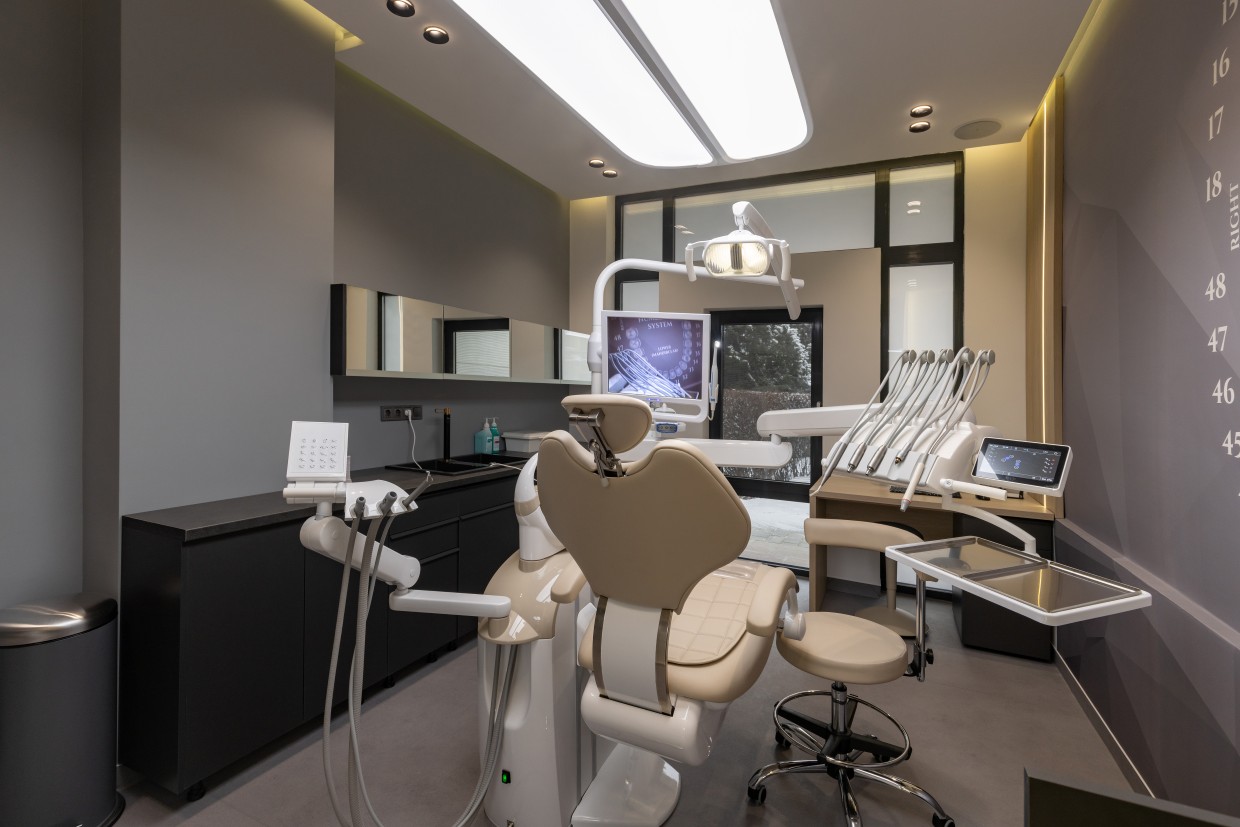
Receding Gums
For many patients, solutions for gum recession can enhance both their appearance and overall dental health. Gum recession can happen even to people with good oral hygiene. There are many options available to treat receding gums.
Several factors can cause a person’s gums to recede, regardless of the state of their oral hygiene. These include aggressive toothbrushing, body piercing, clenching or grinding teeth, crooked teeth or a misaligned bite, hormonal changes, insufficient dental care, periodontal disease, and tobacco products. Genetics may also be a factor. For example, parents may pass down weak, thin gums to their children.
Solutions for gum recession are available at 75th Ave Dental Studio in Glendale and the surrounding area.
Treating Gum Recession
Some cases of gum recession are mild enough that they do not need treatment. Still, several treatment options are available for those who need it.
1. Composite Restoration
Composite restorations are natural-looking, tooth-colored composite resins that cover the surface of the tooth root. They may be used to close any black gaps between the teeth.
2. Desensitizing Agents, Varnishes, Dentin Bonding Agents
May help reduce the exposed tooth root’s sensitivity. By lessening the nerve symptoms, desensitizing agents may ease the brushing of sensitive teeth and promote oral hygiene.
3. Orthodontics
Orthodontics (or braces) are more of a long-term treatment that moves a tooth slowly over time. This repositioning can help correct the margin of the gum.
4. Pink Porcelain or Composite
Matches the color of the gums can be applied to the “gaps” to reduce the appearance of receded gums. Similarly, removable gum veneers, which usually consist of acrylic or silicone, can be applied in the “gaps.”
5. Oral Surgery
More severe cases of gum recession may necessitate surgery, usually a gum graft.
Preventing Gum Recession
Proper dental care is the number one way to prevent gum recession. This involves maintaining a routine where patients brush their teeth with a soft-bristled toothbrush at least twice daily and floss at least once daily. Patients should also see a dentist at least twice a year. At-risk patients may require more frequent visits, and a dentist that notices signs of gum recession may want to keep a vigilant watch that it does not worsen.
It can be dangerous to leave gum recession untreated. Exposed tooth roots may decay very quickly, necessitating various expensive, painful procedures. Teeth may get more sensitive, and the appearance of the smile may become imbalanced. It is also possible that what patients are experiencing is not gum recession but undetected, worsening gum disease.