
Have your teeth started looking a little longer than they used to? Do certain areas near the gumline feel sensitive when you drink something cold or brush your teeth? These changes may be signs of gum recession, a condition in which the gum tissue gradually pulls away from the tooth and exposes more of its surface or root.
Understanding receding gums causes and treatment is important because gum recession is not simply a cosmetic concern. Exposed tooth roots can become sensitive and more vulnerable to decay, and recession may sometimes be associated with periodontal disease or other oral health problems.
Gum recession can develop slowly, which means many patients do not notice it immediately. Regular dental cleanings and exams give your dental team an opportunity to monitor changes in your teeth and gums over time. If you live in the Greater Phoenix area and have noticed changes along your gumline, an evaluation can help determine why the recession is occurring and what can be done to protect your teeth and gums.
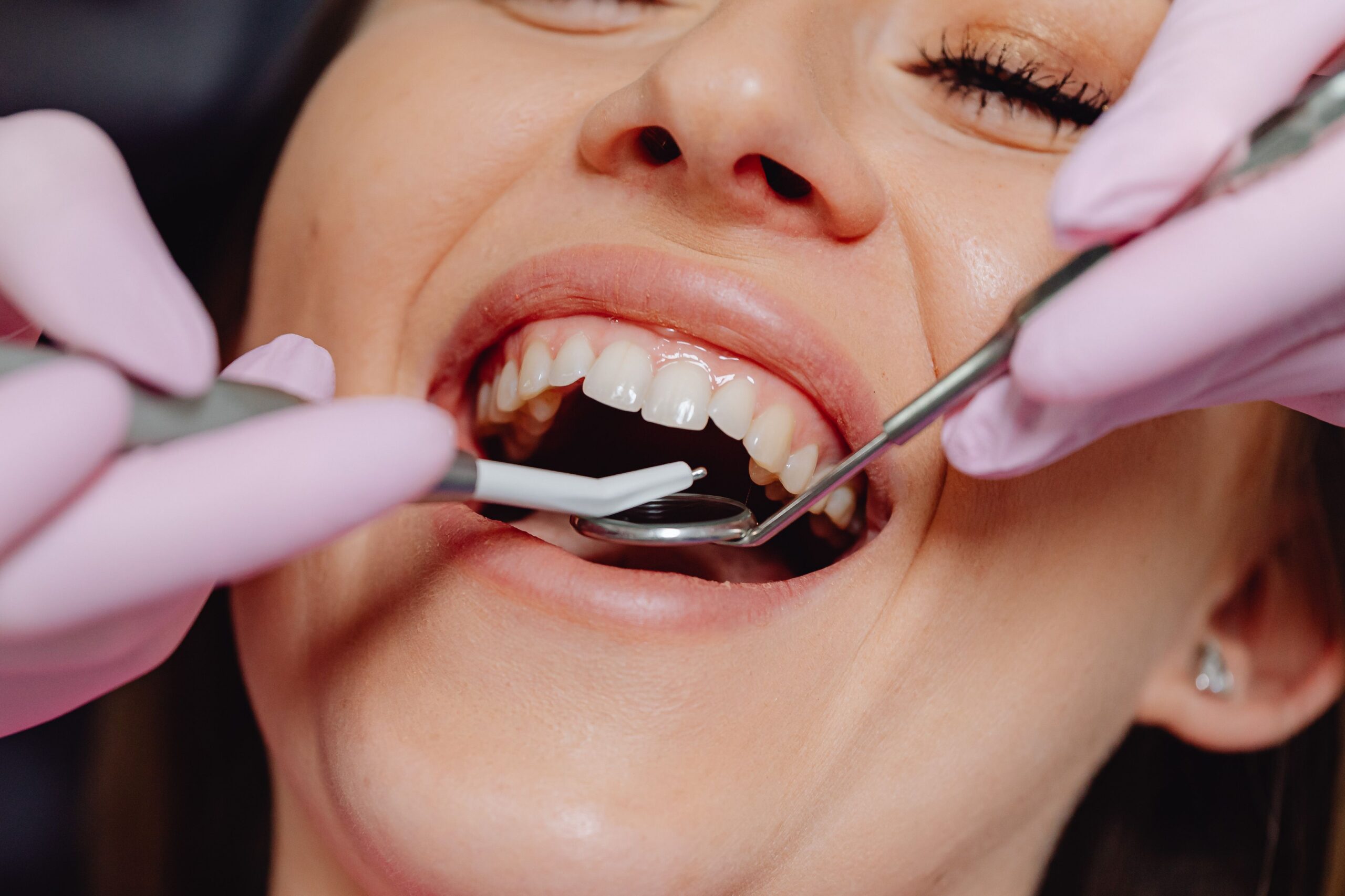
What Does It Mean When Your Gums Recede?
Healthy gum tissue surrounds and supports the teeth while helping protect the roots below the enamel-covered crowns. When gum tissue moves away from its normal position, part of the root surface can become exposed.
One of the most visible signs is that a tooth begins to appear longer than neighboring teeth. You may also notice a small notch near the gumline, increased sensitivity, or a change in the way the gums frame your smile. Dental Design Studios also identifies symptoms such as pain along the gumline, bleeding, redness, swelling, bad breath, and in more advanced situations, loose teeth.
Recession may affect a single tooth or several areas of the mouth. The pattern can sometimes provide clues about the cause. For example, recession isolated to one area may have a different explanation than widespread gum changes associated with periodontal disease.
Why Do Gums Recede?
There is no single cause of gum recession. Some patients develop it despite being consistent about brushing, flossing, and dental visits. Others may have several contributing factors at the same time.
This is why the first step in treating recession is determining what is driving it. Simply covering an exposed area without addressing the underlying cause may not provide the best long-term solution.
Brushing Too Aggressively
Brushing is essential for healthy teeth and gums, but more pressure does not mean a better cleaning. Repeated aggressive brushing can irritate gum tissue and contribute to recession in susceptible areas.
Patients sometimes scrub harder because they are trying to remove stains or make their teeth feel especially clean. Over time, excessive force can also contribute to wear near the gumline.
Dental Design Studios recommends using a soft-bristled toothbrush as part of a healthy oral care routine. If your toothbrush bristles quickly become flattened or splayed, ask your dental team to review your brushing technique.
Periodontal Disease
Gum recession can also be associated with periodontal disease. Gum disease begins when bacterial plaque accumulates around the teeth and gums. If plaque is not adequately removed, it can harden into tartar, which requires professional cleaning to remove.
As periodontal disease progresses, the tissues supporting the teeth can become damaged. Gums may pull away from the teeth and form deeper periodontal pockets. The National Institute of Dental and Craniofacial Research lists gums pulling away from the teeth, sensitive teeth, bleeding, redness, swelling, and loose teeth among possible signs of periodontal disease.
Recession caused by periodontal disease needs to be addressed differently from recession related primarily to brushing technique or tooth position. If gum disease is contributing to the problem, controlling the infection and inflammation becomes an important part of treatment.
You can learn more about the practice’s approach to gum disease treatment and the signs that may warrant a periodontal evaluation.
Teeth Grinding and Clenching
Grinding or tightly clenching the teeth can place repeated stress on the teeth and surrounding structures. Dental Design Studios identifies bruxism and clenching as potential contributors to gum recession.
Some patients grind their teeth during sleep without realizing it. Others clench during the day when concentrating, driving, working, or feeling stressed. Signs can include worn teeth, morning jaw soreness, headaches, tooth sensitivity, or damage to restorations.
If your dentist sees signs of grinding along with gum recession, the treatment plan may need to address both concerns rather than treating the gumline in isolation.
Tooth Position and Bite Alignment
Crooked teeth, crowded areas, or bite problems may also contribute to recession. When a tooth is positioned differently from the surrounding teeth, the gum and bone around that tooth can also differ.
This is one reason some patients notice recession around only one or two teeth. The way forces are distributed through the bite may contribute as well.
Depending on the individual situation, orthodontic treatment may sometimes be considered as part of managing gum recession. Dental Design Studios lists orthodontics among the options that may be appropriate for certain recession cases.
Genetics and Naturally Thin Gum Tissue
Some people naturally have thinner gum tissue than others. Genetics can influence the characteristics of the gums, which may make certain patients more susceptible to recession even when their oral hygiene is good.
Dental Design Studios notes that genetic factors can contribute to thin or vulnerable gum tissue. This is an important reminder that receding gums are not always a sign that someone has neglected their dental health.
Patients with naturally thin gum tissue may benefit from closer monitoring so changes can be identified before significant root exposure develops.
Tobacco Use and Other Irritating Factors
Tobacco use is an important risk factor for periodontal disease and can negatively affect gum health. NIDCR identifies smoking as a major gum disease risk factor and notes that it can also make periodontal treatment less successful.
Dental Design Studios also identifies tobacco products and oral piercings among factors that may contribute to gum recession. Jewelry that repeatedly contacts the gums can create localized irritation or trauma over time.
Discussing habits like tobacco use, piercings, grinding, and brushing technique with your dentist can provide valuable information when trying to determine why a particular area is receding.
What Are the Early Signs of Gum Recession?
Gum recession is often gradual. One of the first signs may simply be a change in appearance. A tooth may seem longer, or the gumline may no longer look even compared with the surrounding teeth.
Sensitivity is another common clue. Unlike the enamel covering the visible crown of a tooth, an exposed root can be more sensitive to temperature and other triggers. The ADA notes that exposed roots associated with gum recession can contribute to tooth sensitivity.
You may also notice tenderness near the gumline, bleeding when brushing or flossing, redness, swelling, or persistent bad breath. These symptoms can also occur with gum disease, so they should not automatically be attributed to simple recession. A dental exam can help distinguish between different conditions that may look or feel similar.
Can Receding Gums Cause Tooth Sensitivity?
Yes. Gum recession is one possible reason a tooth becomes sensitive.
When the gum moves away from the tooth, portions of the root may become exposed. Root surfaces do not have the same protective enamel covering as the crowns of the teeth. Exposure can make hot, cold, sweet, acidic, or even brushing sensations more noticeable.
However, sensitivity has many possible causes, including cavities, cracked teeth, worn fillings, enamel wear, and gum disease. If sensitivity develops suddenly or becomes stronger, it is worth having the tooth examined rather than assuming recession is the only explanation.
How Does a Dentist Evaluate Receding Gums?
An evaluation begins by examining the gumline and determining where recession is present. Your dentist will consider how much tissue has moved, whether the roots are exposed, and whether inflammation, plaque buildup, tooth wear, or bite concerns are present.
If gum disease is suspected, the dentist or hygienist may measure the spaces between the gums and teeth using a periodontal probe. Dental X-rays may also be recommended to evaluate supporting bone. These are standard parts of evaluating periodontal health when appropriate.
Your dentist may also ask about brushing habits, tobacco use, grinding or clenching, changes in your bite, previous orthodontic treatment, and how long you have noticed the recession. Gathering this information helps determine whether treatment is needed and which approach makes the most sense.
How Are Receding Gums Treated?
There is no single treatment for every case of gum recession. Treatment depends on the cause, severity, symptoms, condition of the exposed root, gum health, and whether the recession appears stable or is continuing to progress.
Some mild areas may simply need monitoring combined with changes in home care. Dental Design Studios notes that mild recession does not necessarily require active treatment.
When sensitivity is the main concern, desensitizing products, varnishes, or bonding agents may be considered. Composite material may also be used in certain situations to cover exposed root surfaces or improve the appearance of spaces created by recession.
If periodontal disease is responsible, treatment needs to address the disease itself. Scaling and root planing is a deep cleaning performed below the gumline that may be used for some patients with periodontal disease.
For more significant recession, gum grafting may be considered. The American Academy of Periodontology explains that gum graft surgery can cover exposed roots and may help reduce additional recession and sensitivity.
Because the appropriate treatment depends heavily on the cause, a personalized evaluation is more useful than choosing a treatment based only on how the gumline looks.
Can You Prevent Gum Recession From Getting Worse?
Not every case of recession is preventable, particularly when genetics, anatomy, or tooth position contribute. However, there are steps patients can take to support healthier gums and reduce avoidable irritation.
Brush twice daily with a soft toothbrush and use gentle, controlled pressure rather than scrubbing the gumline. Cleaning between the teeth is also important for reducing plaque. Regular dental cleanings allow tartar to be professionally removed and give the dental team an opportunity to monitor changes in the gums. NIDCR recommends twice-daily brushing, regular interdental cleaning, routine dental visits, and avoiding smoking to support periodontal health.
If you clench or grind, mention it to your dentist. If tobacco use or an oral piercing is irritating the gums, that should also be discussed. The most useful prevention strategy depends on what is contributing to the recession in the first place.
When Should You See a Dentist for Receding Gums?
You do not need to wait until gum recession becomes painful. Schedule an evaluation if you notice that a tooth looks longer, the gumline appears uneven, roots are becoming visible, or sensitivity near the gums is increasing.
Bleeding, swelling, persistent bad breath, loose teeth, or pain when chewing deserve particular attention because they can also be associated with periodontal disease. The sooner your dental team identifies the cause, the sooner you can understand whether the area simply needs monitoring or would benefit from treatment.
Regular dental visits are especially helpful because recession can sometimes be noticed during an exam before it becomes obvious to the patient.
Get Help for Receding Gums in the Greater Phoenix Area
Receding gums can develop for many reasons, including aggressive brushing, periodontal disease, grinding or clenching, tooth position, tobacco use, oral irritation, and genetics. Because the causes vary, treatment also varies from patient to patient.
The important step is identifying what is happening beneath the visible change in your gumline. Your dentist can determine whether the recession is stable, whether an exposed root needs protection, whether gum disease is present, and what treatment options may be appropriate.
Dental Design Studios provides evaluation and treatment for receding gums for patients throughout the Greater Phoenix area. If you have noticed exposed roots, sensitivity, gumline changes, or other concerns about your gums, contact your local Dental Design Studios office to schedule an evaluation.
Dental Care Across the Greater Phoenix Area
Dental Design Studios has nine convenient dental office locations throughout the Greater Phoenix area, making it easier for patients to access quality dental care close to home. Our offices serve patients in Avondale, Chandler, Glendale, Phoenix, Peoria, Gilbert, Scottsdale, and nearby communities.
Find a Dental Design Studios location near you:
- Apple Tree Dental Studio in Avondale
- Arizona Family Dental in Chandler
- 75th Ave Dental Studio in Glendale
- Happy Valley Dental Studio in Phoenix
- Hatcher Dental Studio in Phoenix
- Smile Dental Studio in Phoenix
- Thunderbird Dental Studio in Peoria
- Dental Design Studio in Gilbert
- Scottsdale Dental Studio in Scottsdale